
Modern software delivery moves fast, but speed without security creates risk. DevSecOps focuses on embedding security directly into development and deployment workflows instead of treating it as a final checkpoint. By integrating SAST, SCA, and secrets scanning into CI/CD pipelines, teams can identify risks early and reduce costly remediation later.
This blog explains how DevSecOps security works in practice, why these scanning techniques matter, and how they support a secure SDLC. The content is written to be clear, practical, and especially useful for interview preparation.
Understanding DevSecOps and Secure SDLC
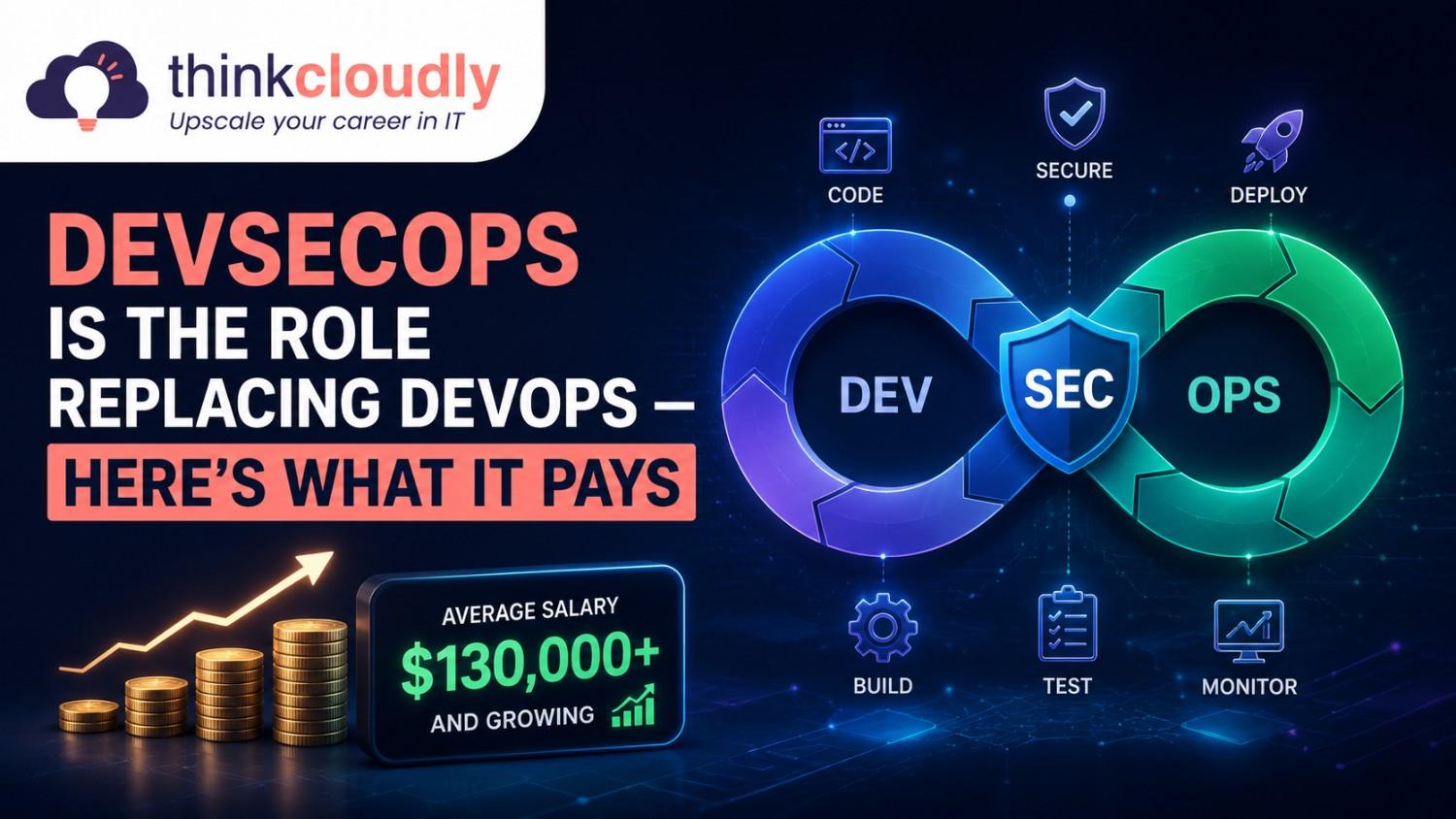
DevSecOps security is about shared responsibility. Developers, security teams, and operations all work together to build and maintain secure applications. Instead of relying on periodic security reviews, security checks are automated and continuous.
A secure SDLC ensures that security requirements are considered from design to deployment. CI/CD pipelines play a central role in enforcing these controls consistently.
Why Security Must Shift Left
Shifting security left means detecting vulnerabilities as early as possible. Fixing issues during development is faster and less disruptive than addressing them after deployment. SAST integration, SCA scanning, and secrets scanning CI/CD processes support this approach.
Role of CI/CD Pipelines in DevSecOps Security
CI/CD pipelines automate code build, test, and deployment steps. Adding security scans to these pipelines ensures every code change is evaluated against defined security standards.
Security becomes part of the pipeline, not a separate manual process.
Security Gates in CI/CD Pipelines
Security gates are checkpoints that prevent insecure code from progressing. If a scan detects high-risk issues, the pipeline can fail automatically, forcing remediation before release.
Static Application Security Testing (SAST) Integration
SAST integration analyzes source code for security weaknesses without executing the application. It helps identify issues such as insecure coding practices, input validation flaws, and logic errors.
Running SAST early helps developers correct problems before code reaches production.
Best Practices for Effective SAST Integration
SAST tools should be tuned to reduce false positives and aligned with coding standards. Running scans on pull requests ensures issues are addressed during code review rather than after deployment.
Software Composition Analysis (SCA) Scanning
SCA scanning focuses on third-party and open-source dependencies. Modern applications rely heavily on external libraries, which may contain known vulnerabilities.
SCA identifies vulnerable components and licensing risks within the application stack.
Managing Open-Source Risks with SCA
Effective SCA scanning tracks dependencies continuously. Alerts help teams upgrade or replace vulnerable libraries before they are exploited.
Secrets Scanning in CI/CD Pipelines
Secrets scanning CI/CD processes detect exposed credentials such as API keys, tokens, and passwords within code repositories. Hard-coded secrets are a common cause of security breaches.
Automated detection prevents secrets from being committed or deployed.
Preventing Credential Leaks
Secrets scanning should run on every commit and pull request. Combined with secure vaults and environment variables, it significantly improves credential security.
Combining SAST, SCA, and Secrets Scanning
Using these techniques together provides layered protection. SAST focuses on code logic, SCA on dependencies, and secrets scanning on sensitive data exposure.
This combined approach strengthens DevSecOps security across the SDLC.
Building a Balanced Scanning Strategy
Scans should be prioritized based on risk. High-severity findings should block deployments, while lower-risk issues can be tracked for remediation.
Integrating DevSecOps Tools with Pipelines
DevSecOps tools integrate with CI/CD platforms to automate scans and reporting. Integration ensures consistent enforcement across teams and environments.
Centralized reporting helps security teams monitor trends and improve controls.
Aligning DevSecOps with Governance and Compliance
Scan results support compliance efforts by providing evidence of continuous security testing. This aligns with common security frameworks and audit requirements.
Challenges in DevSecOps Security Adoption
Common challenges include alert fatigue, pipeline slowdowns, and developer resistance. Addressing these issues requires proper tuning, clear policies, and collaboration.
Security should enable development, not block it.
Best Practices for Successful DevSecOps Implementation
Successful programs focus on automation, developer education, and continuous improvement. Security findings should be actionable and prioritized.
Interview Perspective: DevSecOps and CI/CD Security
DevSecOps is a frequent interview topic for cloud, security, and DevOps roles. Interviewers expect candidates to explain how security scanning fits into CI/CD pipelines.
Clear understanding of SAST integration, SCA scanning, and secrets scanning CI/CD workflows demonstrates practical expertise.
How to Explain DevSecOps Scanning in Interviews
Strong answers explain what each scan detects, where it runs in the pipeline, and how findings are handled. Emphasizing secure SDLC principles adds depth.
Conclusion
Embedding security in DevSecOps through SAST, SCA, and secrets scanning transforms security into a continuous process. By integrating these scans into CI/CD pipelines, organizations can reduce risk, improve code quality, and maintain delivery speed.
A secure SDLC supported by automated security testing is essential for modern software development.