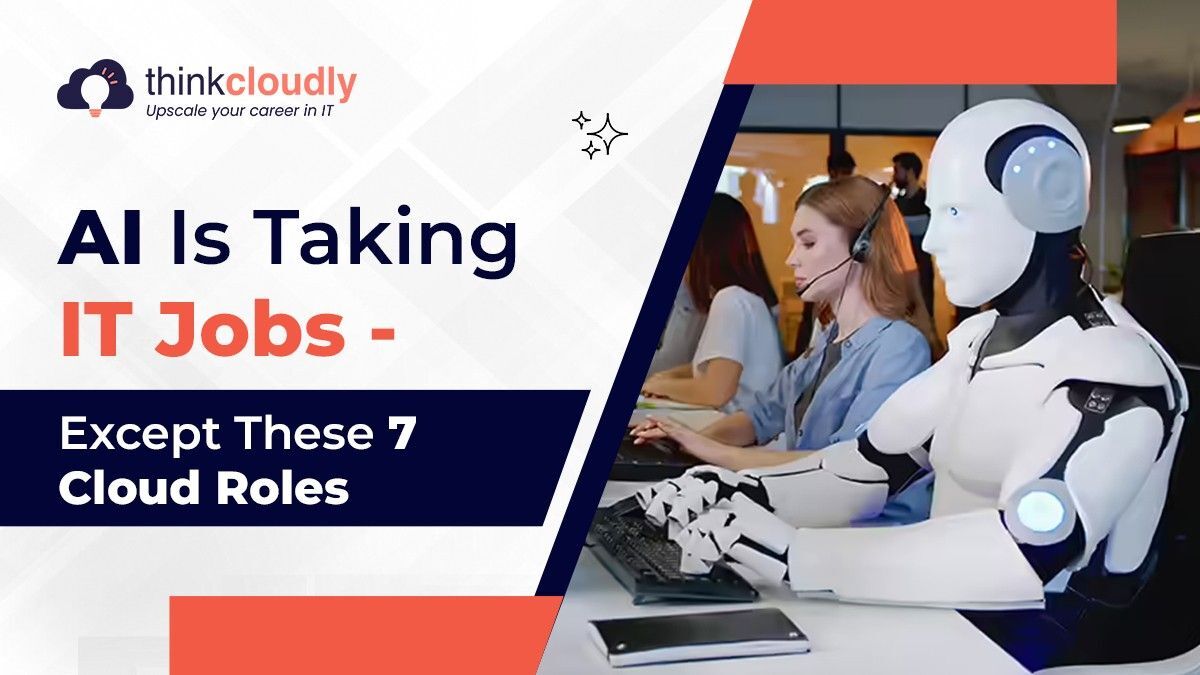

AI in manufacturing goes beyond simple automation and helps with real-time decision making. This is often known as smart factories or smart manufacturing. Tasks that once relied on manual effort and guesswork are now handled using data, automation, and intelligent systems.
The manufacturing industry is changing fast, and Artificial intelligence (AI) is playing a big role in this transformation. By enhancing efficiency, precision and adaptability, AI is transforming the manufacturing industry.
In this blog, we will explore how AI is reshaping manufacturing and why it has become so important for modern businesses.
What Is AI in Manufacturing?
The application of intelligent technologies like machine learning and data analytics to optimize manufacturing processes is known as artificial intelligence (AI) in manufacturing. These systems analyse large volumes of data from machinery, sensors, and production lines to find trends, anticipate problems, and automate difficult tasks.
Key Ways AI Is Transforming Manufacturing
Artificial Intelligence is shaping how manufacturing companies operate on a daily basis. AI is making businesses smarter, faster, and more efficient by lowering risks and increasing productivity.
1. Smart Automation and Productivity Boost
By using AI tools, manufacturers can automate inventory management, assembly procedures, and quality checks, allowing employees to focus on more strategic work. This is a perfect example of how AI for business increases productivity.
AI-powered machines can perform repetitive tasks with high accuracy and consistency. This lowers human error while simultaneously increasing production speed.
2. Predictive Maintenance and Reduced Downtime
In manufacturing , unexpected machine failures can cause huge losses. AI helps avoid these situations by constantly monitoring machines through sensors and performance data. Manufacturers can schedule maintenance in advance, which helps reduce downtime and repair costs. This approach also supports AI risk management, as it minimizes the production disruptions and financial losses.
3. Improved Quality Control
Manufacturers can detect defects in real time with the help of AI-driven inspection systems. These systems can analyze videos and images and more accurately than humans, ensuring consistent product quality. As a result, businesses experience fewer returns, stronger brand trust, and higher customer satisfaction.
4. Data-Driven Decision Making
Every day, manufacturing companies generate huge amounts of data from machines, suppliers, and customer demand. With the help of AI, business leaders can make better decisions about how much to produce, when to restock materials, and how to manage the supply chain efficiently. To avoid overproduction or shortages, AI helps to predict future demand. AI truly adds value to businesses by converting raw data into smart strategies that improve performance and profitability.
5. Scalable Manufacturing with AI Cloud Solutions
Modern manufacturers are increasingly adopting AI cloud solutions to store, analyze , and process data at scale. Businesses can collaborate across locations, access real-time insights from any location, and scale operations without making significant infrastructure investments thanks to cloud based AI.
The adoption of AI is made more flexible and affordable by cloud solutions, especially for growing manufacturing companies.
Role of AI Tools in Modern Manufacturing
Various AI tools are used across manufacturing operations, including:
- Machine learning platforms for demand forecasting
- Computer vision tools for defect detection
- AI-powered robotics for assembly lines
- Analytics dashboards for performance tracking
These tools work together to create a connected, intelligent manufacturing ecosystem.
Managing Risks with AI in Manufacturing
While AI in manufacturing offers powerful advantages, it also comes with some risks that businesses must manage carefully. One major concern is data security and privacy. If this data is not properly protected, it can lead to cyberattacks, data breaches, or misuse of information.
Manufacturers must implement strong cybersecurity measures, encrypted data storage, and regular system audits to protect their data.
AI models are only as good as the data they are trained on. Biased or poor-quality data can lead to incorrect predictions, poor decision-making, and faulty automation. To reduce this risk, manufacturers should continuously monitor AI performance, update models regularly, and validate results with human oversight.
There are also ethical and workforce-related concerns. Due to automation, employees may fear job losses, which can create resistance to AI adoption. Transparent communication, upskilling programs, and human-AI collaboration strategies can help organizations address these concerns.
By focusing on governance, transparency, and responsible AI practices, manufacturers can confidently use AI while minimizing operational, financial, and ethical risks.
Future of AI in Manufacturing
The future of AI in manufacturing is both exciting and transformative. Manufacturing facilities will become more intelligent, quicker, and sustainable as AI technologies advance. The concept of completely autonomous smart factories is quickly moving from theory to reality.
AI will make it possible for factories to self-optimize in real time in the upcoming years. Machines will automatically adjust production processes based on demand, energy consumption, and material availability. This will lead to higher efficiency, reduced waste, and lower operating costs.
AI will also play a major role in sustainability and energy optimization. Intelligent systems can analyze energy usage patterns and recommend ways to reduce carbon emissions and resource consumption. This will help manufacturers meet environmental regulations while supporting global sustainability goals.
Another important trend is the deeper integration of AI cloud solutions. Cloud-based platforms will allow manufacturers to connect global operations, share insights across locations, and deploy AI models faster than ever before. Even small and mid-sized manufacturers will gain access to advanced AI capabilities without heavy infrastructure investments.
In addition, AI will continue to enhance product design and customization. By analyzing customer feedback and market trends, manufacturers can create more personalized products and respond faster to changing consumer demands.
Overall, companies that embrace AI early and strategically will gain a long-term competitive advantage in an increasingly digital manufacturing world.
Final Takeaway:
Artificial Intelligence is no longer a luxury—it’s a necessity for modern manufacturing. By adopting AI in manufacturing, businesses can improve productivity, reduce risks, enhance quality, and scale operations using AI cloud solutions. With the right AI tools and a strong focus on AI risk management, manufacturers can confidently move toward a smarter, more efficient future.