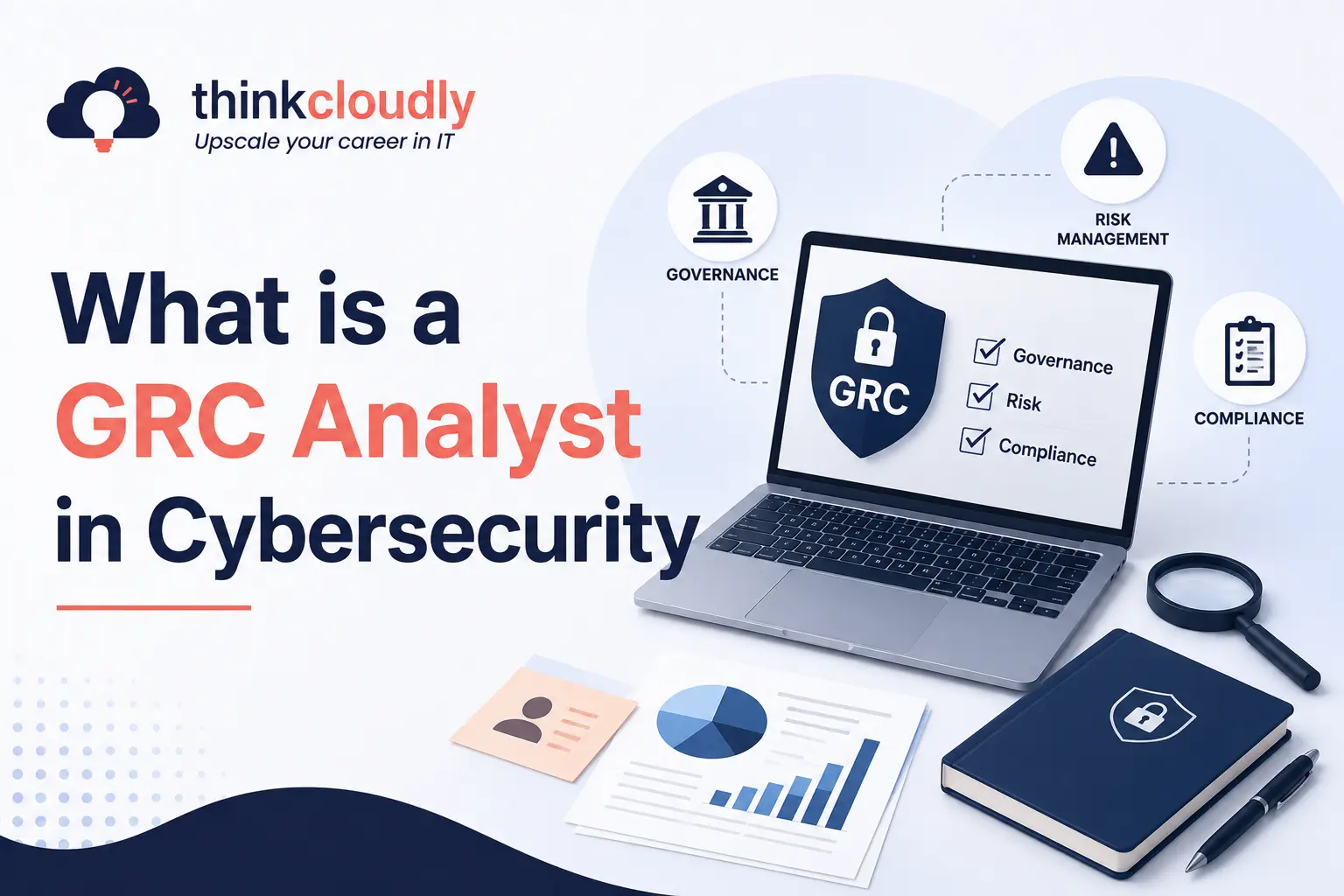
GDPR governance interview questions focus on how organizations build accountability frameworks, ensure data protection oversight, and manage risk management in a structured way. Interviewers want to understand not just what GDPR requires, but how governance makes compliance sustainable and defensible.
This blog is written as a practical interview preparation guide for professionals working in governance, risk, and compliance roles. The questions and answers are framed in clear, simple language to help you confidently explain GDPR governance concepts, demonstrate compliance thinking, and show how data protection is managed across the organization.
GDPR Governance Interview Questions and Answers
1. What is GDPR governance?
Answer: GDPR governance refers to the structures, roles, policies, and processes that ensure data protection obligations are met consistently. It establishes accountability, decision-making authority, and oversight mechanisms to support compliance and effective data protection across the organization.
2. Why is governance important for GDPR compliance?
Answer: Governance ensures that GDPR compliance is not treated as a one-time activity. It embeds accountability frameworks and ongoing oversight so that data protection requirements are followed consistently. Interviewers expect candidates to link governance directly to sustainable compliance.
3. What does an accountability framework mean in GDPR governance?
Answer: An accountability framework defines who is responsible for data protection decisions, how risks are escalated, and how compliance is monitored. It provides clarity around ownership and supports defensible decision-making during audits or regulatory reviews.
4. How does GDPR governance support data protection oversight?
Answer: Data protection oversight ensures that privacy risks are identified, assessed, and managed appropriately. Governance enables oversight through reporting structures, reviews, and escalation mechanisms. This ensures leadership has visibility into compliance and risk management activities.
5. What roles are typically involved in GDPR governance?
Answer: GDPR governance involves business leaders, compliance teams, security functions, and data protection stakeholders. Clear role definition is essential to avoid gaps in accountability and ensure effective data protection oversight.
6. How does risk management fit into GDPR governance?
Answer: Risk management is a core component of GDPR governance. It involves identifying data protection risks, assessing their impact, and applying controls to reduce exposure. Interviewers often look for candidates who can explain how risk management supports compliance goals.
7. What types of risks are addressed through GDPR governance?
Answer: Risks include unauthorized data access, excessive data collection, weak vendor controls, and lack of transparency. Governance frameworks help ensure these risks are evaluated and addressed consistently across the organization.
8. How does GDPR governance align with enterprise governance structures?
Answer: GDPR governance should integrate with broader governance structures rather than operate in isolation. This alignment ensures data protection considerations are included in strategic decisions, risk management, and compliance reporting.
9. What is the role of policies and procedures in GDPR governance?
Answer: Policies and procedures translate regulatory requirements into practical guidance. They support accountability frameworks by defining expectations and standardizing how data protection activities are performed.
10. How does GDPR governance handle decision-making and escalation?
Answer: Governance defines how decisions are made and when issues must be escalated. Clear escalation paths ensure that high-risk data protection issues receive appropriate attention and oversight.
11. How is compliance monitored under GDPR governance?
Answer: Compliance is monitored through reviews, metrics, and periodic assessments. Governance ensures that monitoring activities are documented and that findings are addressed through corrective actions.
12. How does GDPR governance support audits and inspections?
Answer: Governance provides evidence of accountability through documentation, reporting, and oversight records. Interviewers often expect candidates to explain how governance helps demonstrate compliance during audits.
13. What role does leadership play in GDPR governance?
Answer: Leadership sets the tone for compliance and ensures adequate resources are allocated. Strong leadership involvement reinforces the importance of data protection and accountability across the organization.
14. How does GDPR governance address third-party data protection risks?
Answer: Governance ensures that third-party risks are assessed, documented, and monitored. This includes defining approval processes, contractual controls, and oversight mechanisms to protect personal data.
15. How does data protection oversight improve operational consistency?
Answer: Oversight ensures that data protection practices are applied consistently across teams and processes. This reduces variability and strengthens compliance outcomes.
16. How does GDPR governance manage change?
Answer: Governance frameworks ensure that changes to systems, processes, or data use are reviewed for privacy impact. This helps maintain compliance as the organization evolves.
17. What challenges are common in implementing GDPR governance?
Answer: Common challenges include unclear ownership, limited visibility into data flows, and inconsistent application of controls. Strong accountability frameworks help address these challenges.
18. How does GDPR governance support a culture of data protection?
Answer: Governance reinforces expectations through policies, training, and oversight. Over time, this helps embed data protection into everyday decision-making.
19. How is effectiveness measured in GDPR governance?
Answer: Effectiveness is measured through compliance outcomes, risk reduction, and the maturity of oversight processes. Interviewers often value candidates who can discuss practical measurement approaches.
20. How should GDPR governance be documented?
Answer: Documentation should clearly describe roles, processes, risk assessments, and oversight activities. This documentation supports accountability and demonstrates compliance.
Conclusion
GDPR governance interview questions focus on how accountability frameworks, data protection oversight, and risk management work together to support compliance. Strong interview answers explain not just what GDPR requires, but how governance structures make those requirements achievable in practice. By clearly connecting governance to data protection and compliance outcomes, candidates can demonstrate readiness for GDPR-focused roles.