

If you are working in IT sector then both cloud computing and cyber security become very important for you. Because both of them are in high demand and providing high salary in IT sector. But it becomes a bit difficult for newbies to differentiate between these two which is clearly explained in this cloud computing VS cyber security blog. In this we have explained how cloud computing is different from cyber security in various aspects. We have tried to explain these differences by dividing them in two ways, first on the basis of technical and second on the basis of career. So let’s start
Difference between cloud computing vs cyber security on technical basis
Technical differences between cloud computing and cyber security is as follows –
Que: What is Cloud Computing?
Answer: Cloud refers to servers that are accessed over the Internet. And computing is a place to store, manage and process data on remote servers. Now collectively cloud computing means in simple terms storing, managing and accessing data and programs on remote servers hosted over the Internet rather than on a computer’s hard drive.
Que: What is Cyber Security?
Answer: Cyber security aims to protect systems, applications, computing devices, sensitive data of organizations and individuals from cyber attacks. This could be technology or practices that reduce the impact of cybersecurity.
Focus:
Cloud computing aims to provide computing services such as storage, servers, databases and software through the Internet.
Cyber security aims to protect storage, systems, servers and data from unauthorized access and cyber threats.
Tools:
Cloud computing uses certain platforms to provide computing resources or we can say that these are the cloud computing service providers. Such as Microsoft Azure, Amazon Web Services (AWS), and Google Cloud Platform (GCP).
There are about 45 tools in cyber security. But the most commonly used ones are – Bitdefender, Splunk, Kali Linux, Metasploit and Wireshark etc.
Benefits of cloud computing vs cyber security:
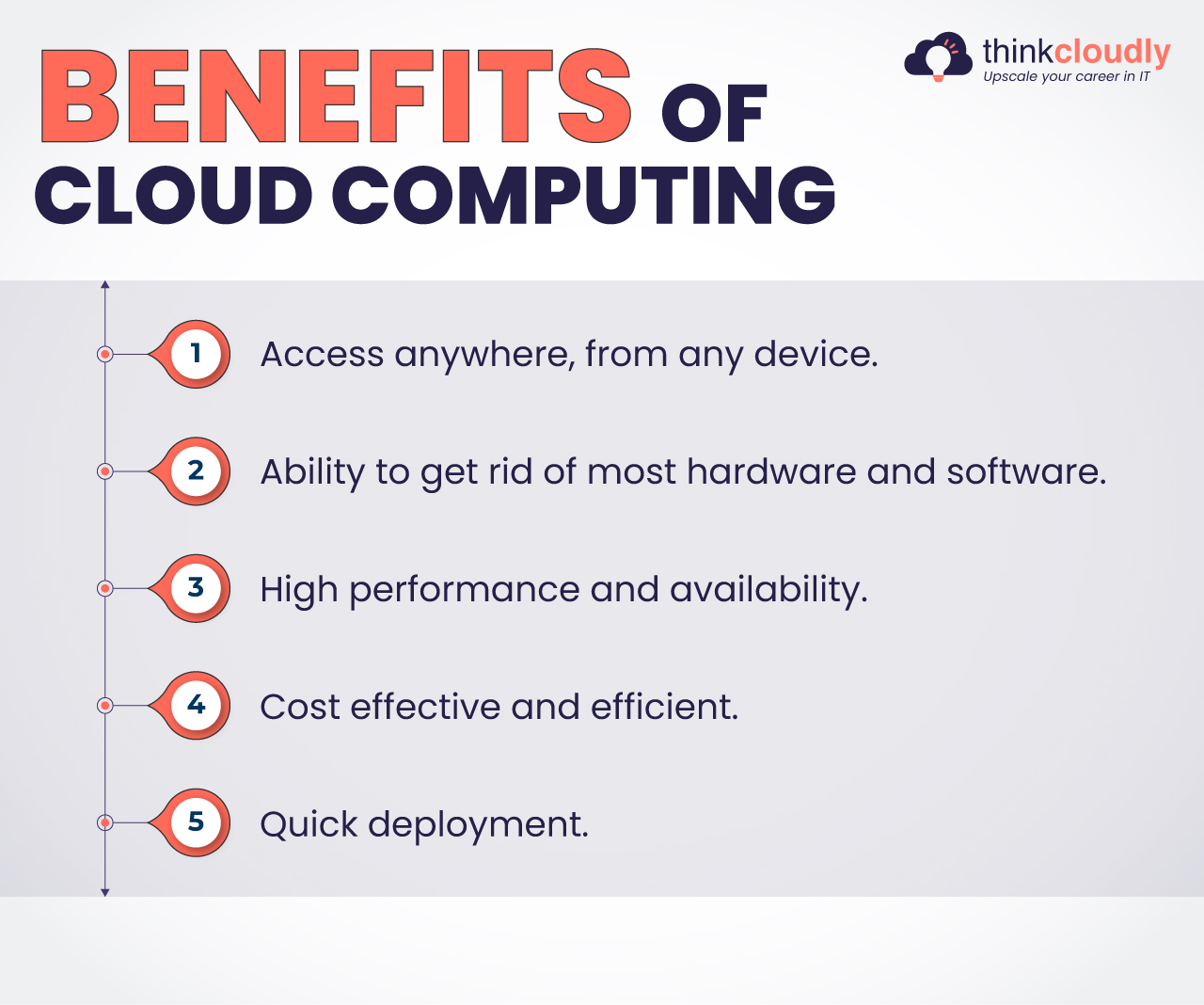
The benefits of cloud computing are as follows-
- Access anywhere, from any device.
- Ability to get rid of most hardware and software.
- High performance and availability.
- Cost effective and efficient.
- Quick deployment
The benefits of cyber security are as follows-
- Both internal and external data protection
- Business continuity
- Builds customer trust
- Early threat detection and response
- Improves productivity
Drawbacks:
The Drawbacks of cloud computing are as follows-
- Internet outages or weak connectivity may increase downtime.
- Possibilities of data breach increased.
- Limited control and flexibility
- Difficulty switching from one cloud to another.
The Drawbacks of cyber security are as follows-
- Setting up a firewall correctly is challenging.
- This may slow down the system a bit.
- This is very expensive.
- Settings must be up to date.
Challenges of cloud computing vs cyber security:
Cloud Computing
- Data privacy and security
- Excessive dependence on the network
- Multi-cloud environment
- Rely on Internet Connectivity
- Insufficient resources and expertise
Cyber Security
- Cloud attack
- Phishing and spear-phishing attacks
- ML and AI attacks
- Supply chain attacks
- API attacks
- Drone-jacking
Service models used:
Three service models are used in cloud computing – Software as a Service (SaaS), Platform as a Service (PaaS) and Infrastructure as a Service (IaaS).
Cyber Security has its own service models as follows – Security as a Service(SECaaS), Identity and Access Management (IAM), Incident Response and Endpoint Security.
Cost:
Cloud computing is cost-effective when compared to cybersecurity, as it allows customers to pay only for the resources they use for their projects.
Cybersecurity is an expensive thing compared to cloud computing, as it requires significant investment in personnel, security tools, and training. so if we see the difference b/w cloud computing and cyber security we can say that cyber security is more expensive.
How Cloud Computing and Cybersecurity Work Together
Cloud computing and cybersecurity are closely connected in modern IT environments. Cloud computing provides the infrastructure, platforms, and services that organizations use to store data, run applications, and manage business operations. Cybersecurity helps protect these resources from unauthorized access, data breaches, and other digital threats.
Although these fields have different primary objectives, they often work together to keep business systems reliable and secure.
1. The Role of Cloud Computing in Cybersecurity
Cloud platforms provide services that support security operations, including identity management, encryption, network protection, monitoring, and backup solutions. Organizations can use these services to manage access, detect suspicious activity, and protect sensitive information.
For example, a company hosting its applications on Amazon Web Services (AWS) or Microsoft Azure can use cloud-native security services to monitor workloads, manage permissions, and identify potential vulnerabilities.
2. The Role of Cybersecurity in Cloud Computing
Cloud environments require appropriate security configurations and ongoing monitoring. Cybersecurity professionals help organizations protect cloud accounts, manage user permissions, investigate suspicious activity, and respond to security incidents.
Cloud security also follows a shared responsibility model. Providers protect the underlying cloud infrastructure, while customers remain responsible for certain configurations, identities, applications, and data, depending on the services they use.
3. Why Do These Fields Need Each Other?
Consider an organization that stores customer information in the cloud. Cloud computing enables the organization to access and manage that information efficiently, while cybersecurity helps ensure that only authorized users can access it.
Understanding both fields can be valuable for professionals interested in cloud security, security engineering, and cloud infrastructure protection. You do not necessarily need to master both disciplines at once, but learning their relationship can help you develop a broader understanding of modern IT environments.
Difference between cloud computing vs cyber security on Career/job basis
Career based difference in cloud computing vs cyber security is as follows –
Skills Required:
Cloud Computing
- Programming Languages – Python, JavaScript and R
- Database management skills
- Cloud service platform knowledge
- Information security
- linux
- Application Programming Interface (API)
- DevOps
Cyber Security
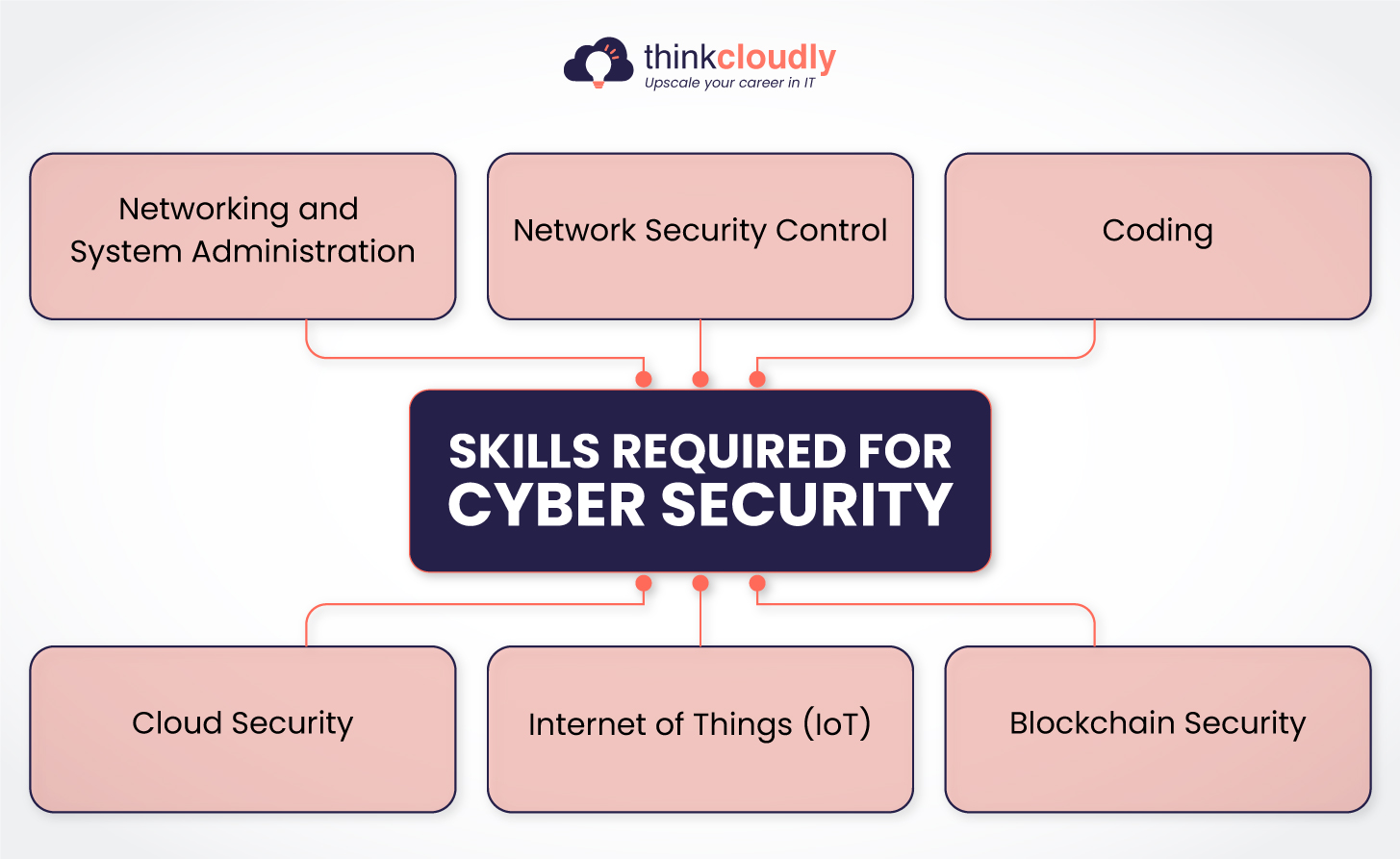
- Networking and System Administration
- Network security control
- Coding
- Knowledge of operating systems and virtual machines
- Cloud security
- Internet of Things (IoT)
- Blockchain Security
Courses and Certification in cloud computing vs cyber security:
Cloud Computing-
- AWS Certified SysOps Administrator
- AWS Certified Solutions Architect
- AWS Certified Developer
- Google Certified Professional (GCP) Cloud Architect
- Google Certified Professional (GCP) Data Engineer
- Microsoft Certified: Microsoft Azure Fundamentals
- Cloud Computing AWS Course
- CompTIA Cloud+
- Certified Cloud Security Professional (CCSP)
- Microsoft Certified: Azure Solutions Architect Expert
- Microsoft Azure Cloud Computing
- AWS Cloud Computing
Cyber Security –
- GIAC Security Essentials Certification (GSEC),
- Cyber Security Fundamentals Certificate (ISACA)
- System Security Certified Practitioner (SSCP) by (ISC)².
- Offensive Security Certified Professional (OSCP)
- GIAC Certified Incident Handler (GCIH)
- Certified Ethical Hacker (CEH)
- ISACA Certified Information Security Manager (CISM).
- CompTIA Advanced Security Practitioner (CASP+)
Job Roles:
Cloud Computing-
- Cloud administrator
- Cloud security analyst
- Cloud support engineer
- Cloud software engineer
- Cloud network engineer or Computer Network Security
- Cloud engineer
- Cloud automation engineer
- Cloud data scientist
- Cloud consultant
- Cloud architect
Cyber Security jobs-
- Computer forensic analyst or Computer Security Service
- Security Manager
- IT Security Specialist
- Security advisor
- Safety engineer
- Security administrator
- Security director
- Information security analyst
- Security specialist
- Chief Information Officer
How to Choose Between Cloud Computing and Cybersecurity as a Career
Choosing between cloud computing and cybersecurity becomes easier when you understand the kind of work you enjoy, the skills you want to develop, and the problems you want to solve. Both fields offer different career paths, and neither is automatically the better choice for every beginner.
1. Choose Cloud Computing If You Enjoy Building Systems
Cloud computing may suit you if you are interested in infrastructure, application deployment, databases, networking, and automation. Cloud professionals help organizations build, configure, maintain, and improve the technology environments that support their applications.
You can begin by learning networking fundamentals, operating systems, cloud service models, and one major platform, such as AWS, Microsoft Azure, or Google Cloud. As you progress, practice deploying virtual machines, configuring storage, and creating basic cloud environments.
2. Choose Cybersecurity If You Enjoy Investigating Risks
Cybersecurity may be a better fit if you are interested in identifying threats, investigating suspicious activity, protecting sensitive information, and responding to security incidents.
Start with networking, operating systems, security fundamentals, and basic threat analysis. Hands-on practice with log analysis, access controls, and security monitoring can help you understand how security teams identify and investigate potential problems.
3. Consider Your Learning Goals
Before selecting a course or certification, ask yourself three questions:
- What interests me most? Building and managing technology environments, or protecting systems against threats?
- What do I want to practice? Cloud deployment and automation, or security monitoring and incident investigation?
- What career do I want to explore? Cloud engineer, cloud administrator, SOC analyst, or security analyst?
You can also explore the overlap between the two fields through cloud security. This path combines cloud infrastructure knowledge with security controls, identity and access management, and risk assessment.
Whichever direction you choose, focus on practical projects alongside theoretical learning. A clear learning plan, consistent practice, and relevant certifications can help you build the foundation needed to pursue entry-level opportunities.
Conclusion
So perhaps you must have known how cloud computing is different from cyber security, what are the objectives of both and how both work. I hope you learned something new and unique. We have shared a lot of information in this cloud computing vs cyber security blog but still there is so much to learn that a blog cannot cover. If you want to learn more and get a high paying job by mastering cloud computing or cyber security, then you can contact us. Many students have found their dream jobs with the help of Thinkcloudly and you can too. Simply contact us and we will let you know how we can help you.