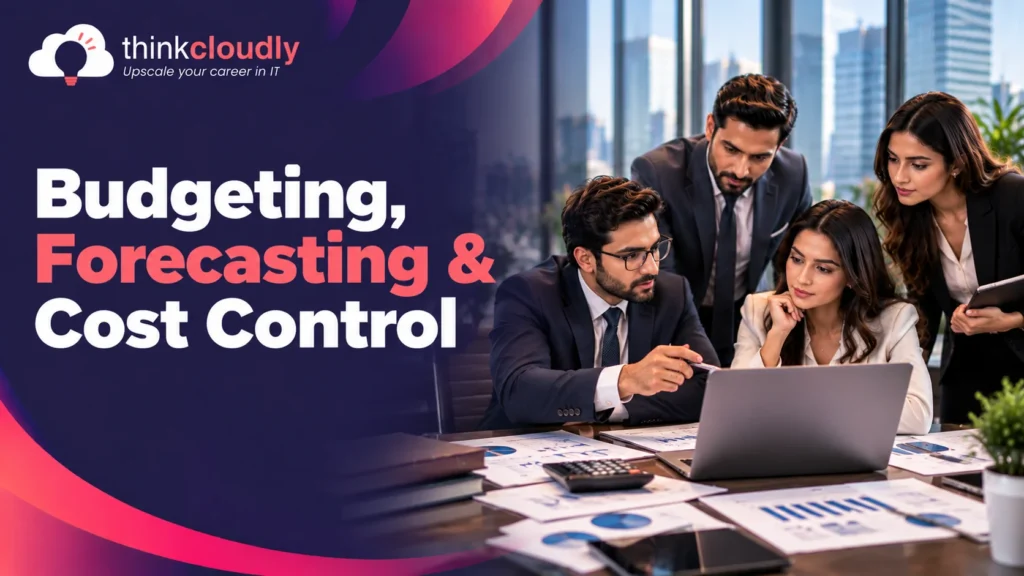
Budgeting, Forecasting & Cost Control
Core Business Skills for managers, executives and professionals
Duration
5 Days
Format
Classroom &Online
Fee From
$2,950
Scheduled Dates
No sessions of this type are scheduled.
Introduction
- Linking budgets to strategy and business objectives
- Budgeting methods: incremental, zero-based and activity-based
- Forecasting techniques and rolling forecasts
- Variance analysis and performance reporting
- Cost analysis, cost reduction and cost control
Objectives
- Explain the role of budgeting and forecasting in planning and control
- Prepare operating, capital and cash budgets aligned to strategy
- Choose the right budgeting method for their organisation
- Build reliable forecasts and rolling forecasts
- Analyse budget variances and recommend corrective action
- Understand cost behaviour and use it to support decisions
- Identify and implement sustainable cost reduction opportunities
Training Methodology
Organisational Impact
- Budgets that support strategy rather than just record it
- More accurate, timely and realistic forecasts
- Faster response to changing business conditions
- Better control of costs and cash across departments
- Clearer accountability for budget performance
- Sustainable cost savings without harming quality or growth
Personal Impact
- Build and manage budgets with greater confidence
- Produce forecasts that leadership can rely on
- Explain variances clearly and recommend action
- Identify cost savings and make the case for change
- Use practical Excel tools for planning and control
- Strengthen your role in planning and resource decisions
Who Should Attend?
- Finance managers, controllers and FP&A professionals
- Budget holders and cost centre managers
- Department heads and operational managers
- Accountants and financial analysts
- Project and programme managers responsible for budgets
- Procurement and operations professionals managing costs
- Public sector and non-profit managers handling funding
- Professionals involved in the annual planning process
Course Outline
- The purpose of budgets in planning, control and motivation
- Linking budgets to strategy and business objectives
- The budgeting cycle and roles of budget holders
- Operating, capital and cash budgets
- Behavioural aspects of budgeting
- Common budgeting problems and how to avoid them
- Incremental budgeting
- Zero-based budgeting (ZBB)
- Activity-based budgeting
- Flexible budgets and driver-based planning
- Preparing a departmental budget step by step
- Hands-on exercise: building a budget in Excel
- Budgets vs forecasts: what is the difference?
- Quantitative methods: trend, moving average and regression
- Rolling forecasts and continuous planning
- Scenario planning and sensitivity analysis
- Cash flow forecasting
- Hands-on exercise: creating a rolling forecast
- Calculating and interpreting budget variances
- Price, volume and mix variances
- Investigating the causes of variances
- Taking corrective action
- Designing clear performance reports and dashboards
- Hands-on exercise: variance analysis and commentary
- Fixed, variable and semi-variable costs
- Break-even and contribution analysis
- Activity-based costing
- Identifying cost reduction opportunities
- Sustainable cost management without harming performance
- Presenting a cost reduction plan
Certificates
CLASSROOM
Delegates who complete the classroom course receive the Thinkcloudly Certificate of Completion, with one Continuing Professional Education (CPE) credit for every 50 minutes of attendance.
ONLINE
Delegates who complete the live online course receive the Thinkcloudly Certificate of Completion, with one Guided Learning Hour awarded for every 60 minutes of attendance.
Providers and Associations
$6,499.00 Original price was: $6,499.00.$5,950.00Current price is: $5,950.00.
Our Learners Work At











Frequently Asked Questions
What will I learn on this course?
How to prepare budgets linked to strategy, build reliable forecasts, analyse variances and control costs effectively.
Do I need a finance background?
A basic understanding of financial statements helps. If you are new to finance, we recommend starting with Finance for Non-Finance Managers.
Will we use Excel?
Yes, Each day includes hands-on Excel exercises. Please bring a laptop with Microsoft Excel installed for classroom sessions.
Does the course cover zero-based budgeting?
Yes. Day 2 covers incremental, zero-based, activity-based and driver-based budgeting, and when to use each method.
Will this help me reduce costs?
Yes. Day 5 focuses on cost analysis and practical, sustainable cost reduction, ending with a cost reduction plan for your area.
What will I take back to my organisation?
Reusable Excel templates for budgeting, rolling forecasts and variance analysis, plus a cost reduction plan.
Will I receive a certificate?
Yes. All delegates who complete the course receive the Thinkcloudly Certificate of Completion, with CPE credits for classroom attendance or Guided Learning Hours for online attendance.
Can this course be delivered in-house?
Yes. We can tailor the content to your budgeting process and systems and deliver it at your premises, a venue of your choice or online. Contact [email protected] to discuss your requirements.