
Two years ago, asking an AI to write your essay felt like magic. Today, it feels like… Tuesday. AI chatbots have quietly become the tool most of us can’t live without – whether we’re writing emails at 2 AM, debugging code, researching for a project, or just asking “what should I cook tonight?”
But here’s the problem: there are now dozens of AI chatbot tools fighting for your attention. ChatGPT, Claude, Gemini, Perplexity, Copilot, Grok and that’s just the famous ones. How do you know which one is actually worth your time (and your money)?
I’ve spent weeks testing, reading, and comparing. This guide breaks down the 10 best AI chatbot tools in 2026, what they’re good at, where they fall short, and who each one is really made for. No hype, no fluff. Just honest answers.
What Are AI Chatbot Tools
Before we jump in, let’s clear this up for anyone new to the space.
AI chatbot tools are software that can hold real conversations with you, answer questions, write content, solve problems, and even help with creative work. They’re powered by something called Large Language Models (LLMs) – basically, systems trained on huge amounts of text from the internet, books, and other sources.
The best AI chatbots today can do way more than just chat. They can analyze documents, look at images, write code, search the web in real time, and remember your past conversations. Some are free, some cost money, and each one has its own personality and strengths.
Quick Comparison Table
|
Tool |
Best For | Free Plan |
Paid Plan Starts At |
|
ChatGPT |
Everyday tasks, creativity | Yes | $20/month |
| Claude | Writing, analysis, coding | Yes |
$20/month |
|
Gemini |
Web search, Google apps | Yes | $20/month |
|
Microsoft Copilot |
Office/Excel users | Yes |
$20/month |
| Perplexity AI | Research with sources | Yes |
$20/month |
|
DeepSeek |
Free coding help | Yes | Free/Very cheap |
|
Meta AI |
WhatsApp users | Yes |
Free |
| Grok | Real-time social media | Limited |
$30/month |
|
Jasper |
Marketing and blogs | Trial only |
$49/month |
|
Mistral Le Chat |
Privacy, Europe-based | Yes |
$15/month |
Now let’s go tool by tool.
1. ChatGPT – The One Everyone Knows
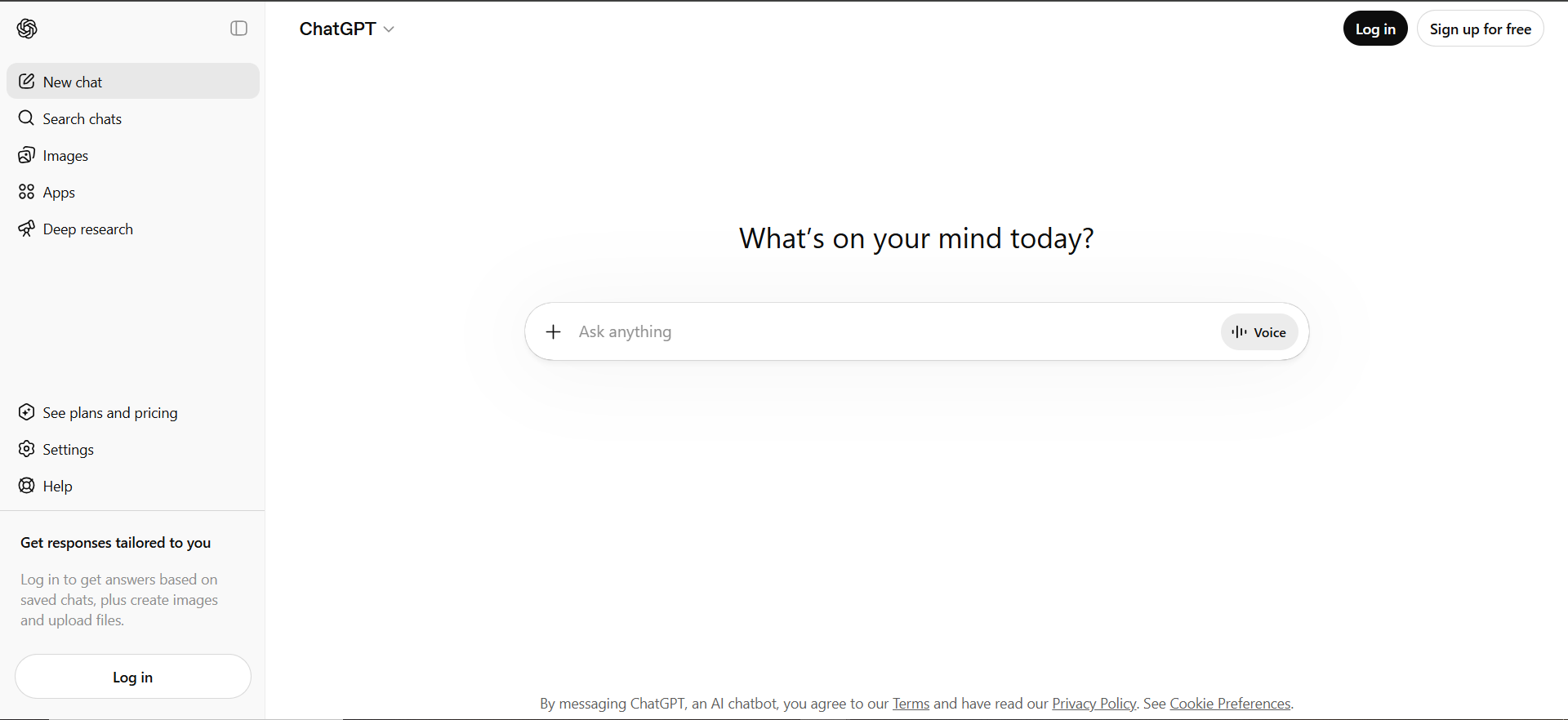
ChatGPT is the chatbot that started this whole AI gold rush. Launched by OpenAI in late 2022, it’s still the most popular AI chatbot in the world, holding over 60% of the market in 2026.
Why people love it: It’s like a helpful friend who knows a little about everything. You can ask it to write a poem, plan a trip, explain quantum physics like you’re 12, or code a website. The interface is clean, the voice mode is smooth, and it works on every device.
Top features:
- GPT-5 model with advanced reasoning
- Voice conversations that feel natural
- Image generation built right in (DALL-E)
- Custom GPTs you can build or download
- Memory that remembers your preferences
Pricing: Free version has daily limits. ChatGPT Plus is $20/month. Pro plan for power users is $200/month.
Best for: Students, writers, general users, and anyone who wants one tool that does 80% of what they need.
Honest downside: It loves bullet points. If you want clean, flowing writing, you’ll need to tell it to stop.
2. Claude – The Thoughtful Writer
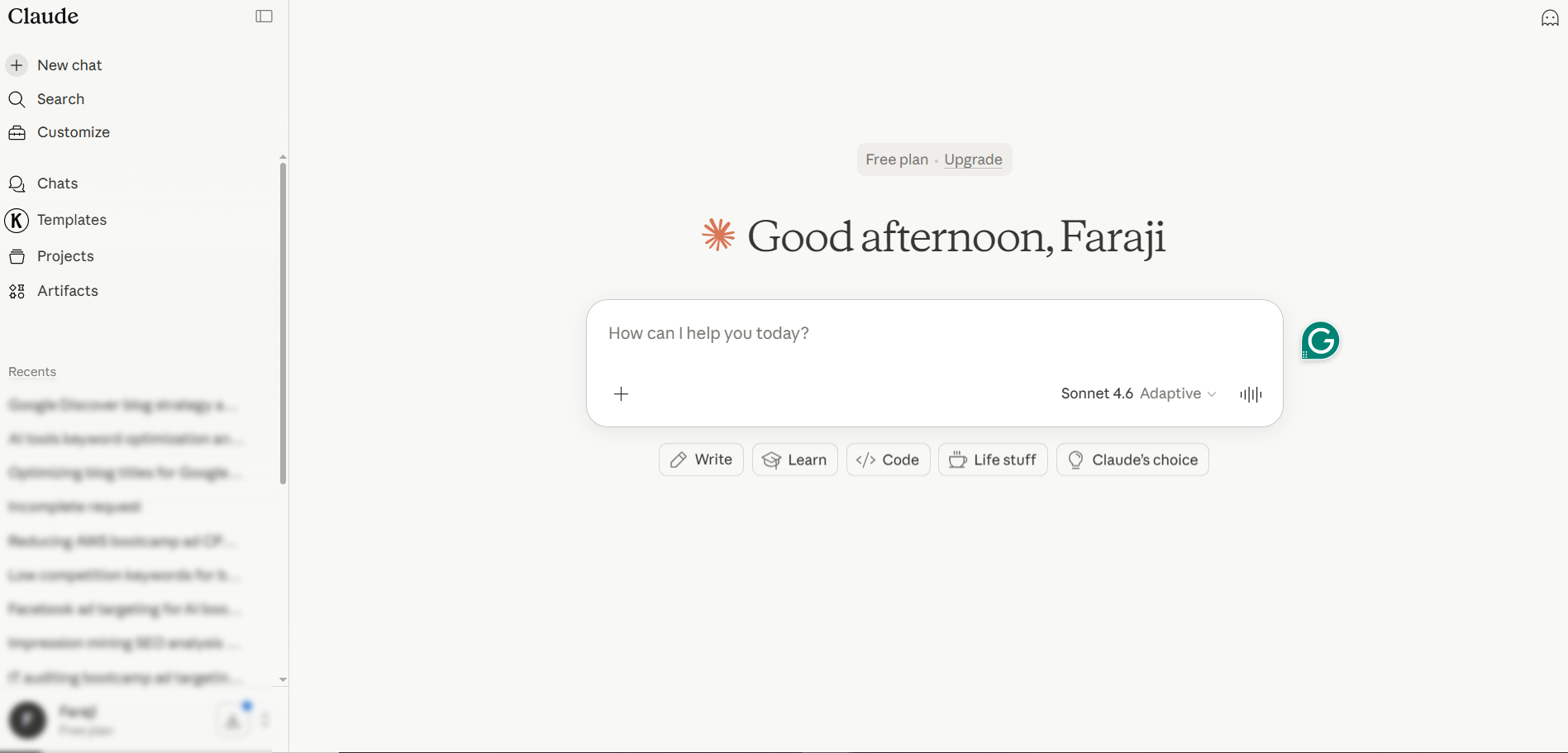
If ChatGPT is the all-rounder, Claude is the quiet genius in the corner. Built by Anthropic, Claude has earned a reputation among writers, coders, and researchers as the most thoughtful AI chatbot out there.
Why people love it: Claude writes in a more natural, human voice. It handles long documents better than anyone. You can upload a 200-page PDF and ask Claude to summarize it, find contradictions, or turn it into a study guide and it actually works.
Top features:
- Massive context window (can handle entire books)
- Artifacts feature shows you live previews of code and documents
- Projects to organize your work with custom knowledge
- Extended thinking mode for complex problems
- Widely considered the best AI for coding in 2026
Pricing: Free plan available. Claude Pro is $20/month. Max plan starts at $100/month for heavy users.
Best for: Writers, students writing long papers, developers, and anyone doing deep research or analysis.
Honest downside: Fewer fun features than ChatGPT. No built-in image generation. Sometimes feels “too careful” with its answers.
3. Google Gemini – The Search Master
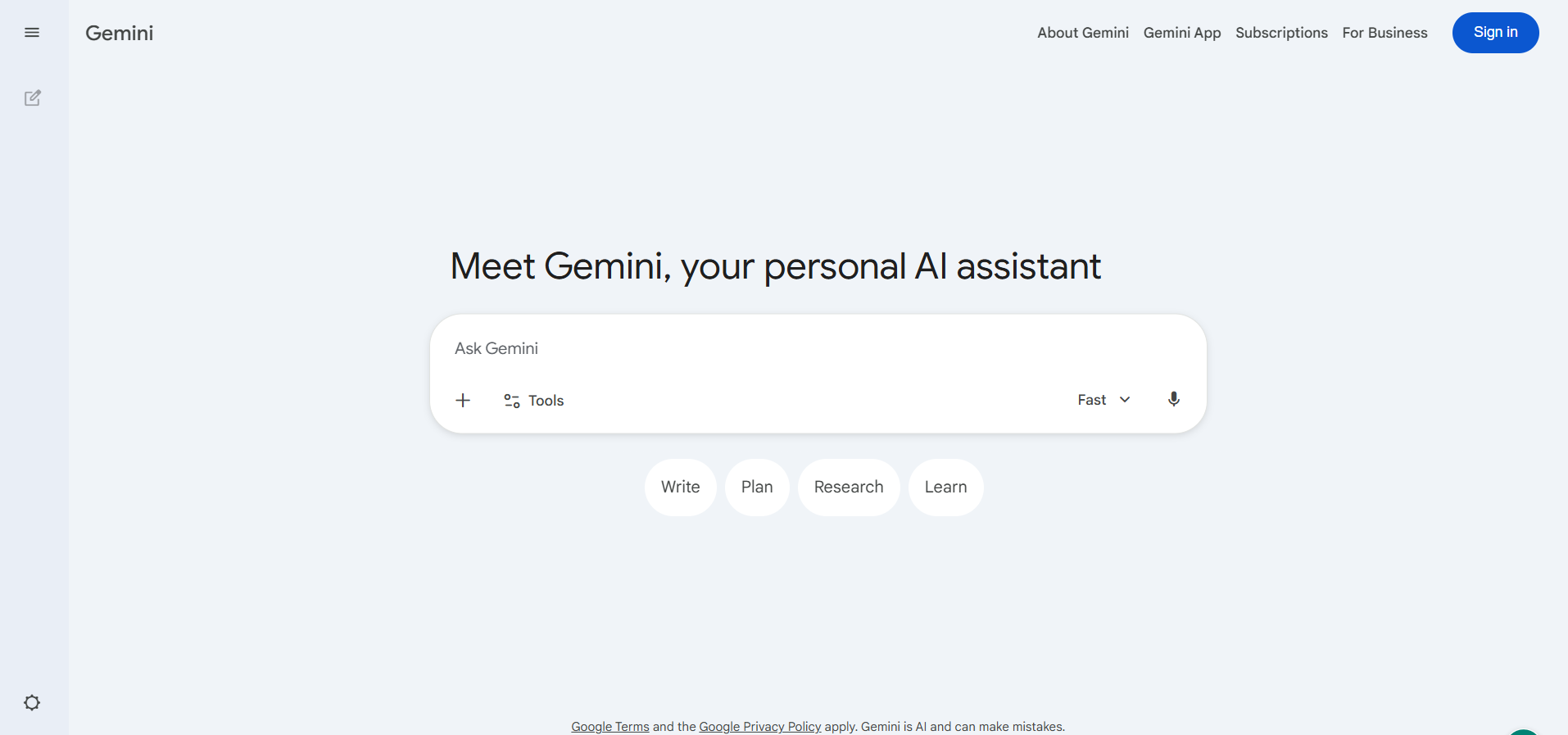
Gemini is Google’s answer to ChatGPT, and if you already live in the Google ecosystem (Gmail, Docs, Drive), it fits like a glove.
Why people love it: It’s connected to the real internet in a way other chatbots aren’t. Ask Gemini about something that happened an hour ago, and it’ll pull up current info faster than anyone else. It’s also deeply integrated with Gmail, Google Docs, and YouTube.
Top features:
- Real-time Google Search built in
- Works inside Gmail, Docs, Sheets, and Slides
- Handles images, video, and audio naturally
- Deep Research mode for detailed reports
- Free tier is genuinely useful
Pricing: Free version with Gemini 2.5 Flash. Gemini Advanced is $20/month. Comes free with Google One AI Premium.
Best for: Students who use Google Docs, researchers who need fresh info, and anyone in the Google universe.
Honest downside: Writing quality is more robotic than Claude or ChatGPT. Sometimes hallucinates confident-sounding facts that aren’t true.
4. Microsoft Copilot – The Office Hero
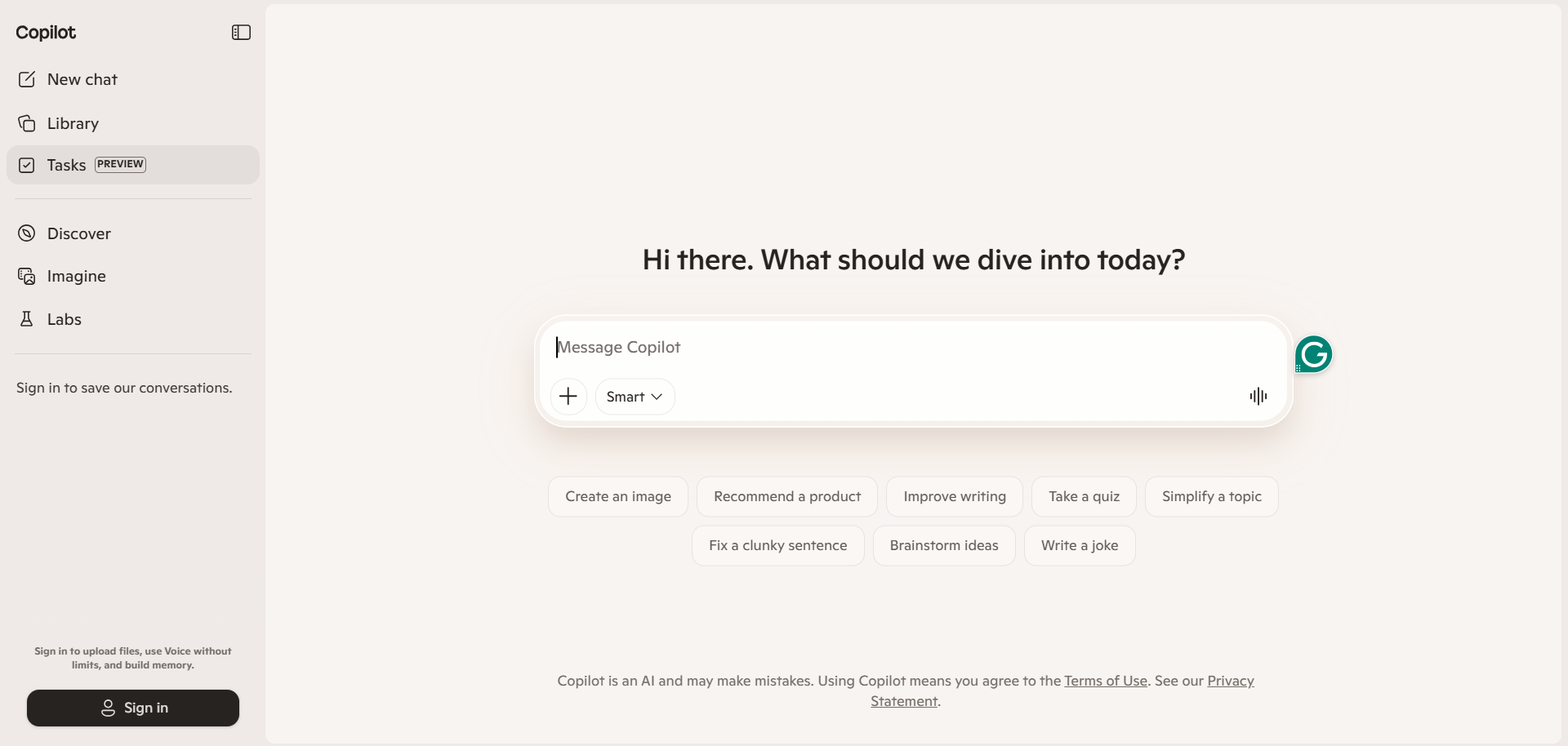
If your life runs on Word, Excel, PowerPoint, and Outlook, Copilot was built for you. Microsoft baked its AI directly into the Office apps you already use every day.
Why people love it: You don’t have to switch tabs. Writing a Word doc? Copilot suggests improvements inline. Stuck on an Excel formula? Ask Copilot. Need to draft a quick reply in Outlook? Done. It’s powered by GPT-5 under the hood, so the brain is solid.
Top features:
- Lives inside Word, Excel, PowerPoint, Outlook, Teams
- Can summarize long email threads instantly
- Generates charts and formulas in Excel
- Creates PowerPoint presentations from a prompt
- Free version available through Bing and Edge browser
Pricing: Free version available. Copilot Pro is $20/month. Copilot for Microsoft 365 is $30/month per user.
Best for: Office workers, students using Microsoft 365, and businesses already paying for Office.
Honest downside: Outside of Microsoft apps, it feels less polished. Not the best choice if you don’t use Office.
5. Perplexity AI – The Research Specialist
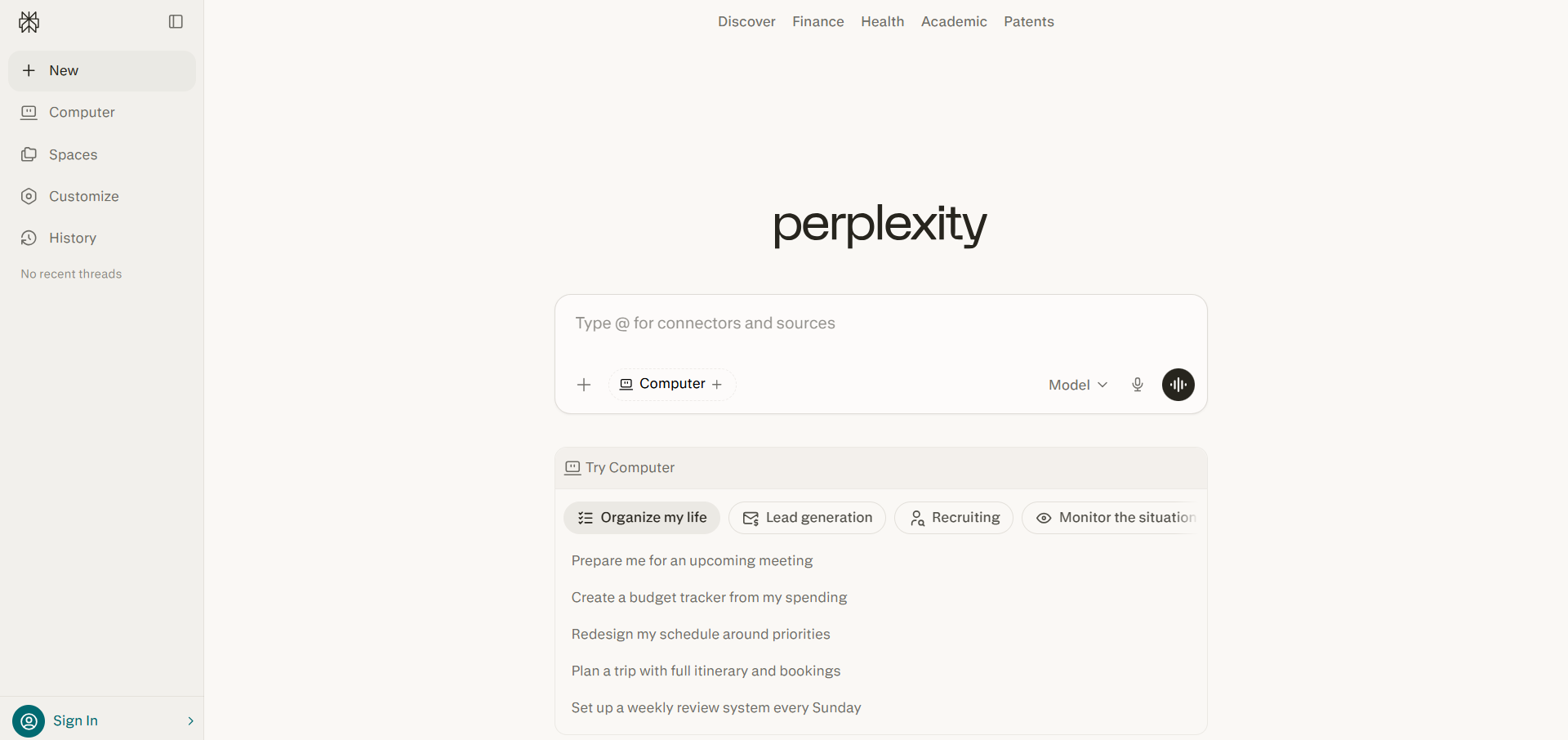
Perplexity isn’t just a chatbot it’s an AI-powered search engine. Every answer comes with sources you can click and verify. For students and researchers, this is a game-changer.
Why people love it: When Perplexity tells you something, it shows you exactly where that information came from. No more wondering if an AI is making things up. You get cited, verifiable answers every single time.
Top features:
- Every answer comes with clickable source links
- Deep Research mode that acts like a research assistant
- Access to top AI models (GPT-5, Claude, Gemini) in one place
- Pages feature for creating shareable research reports
- Focus modes for academic papers, Reddit, YouTube, and more
Pricing: Free tier is solid. Perplexity Pro is $20/month.
Best for: Students writing research papers, journalists, analysts, and anyone who needs trustworthy answers with proof.
Honest downside: Not as good for creative writing or casual chat. Feels more like a tool than a friend.
6. DeepSeek – The Free Champion
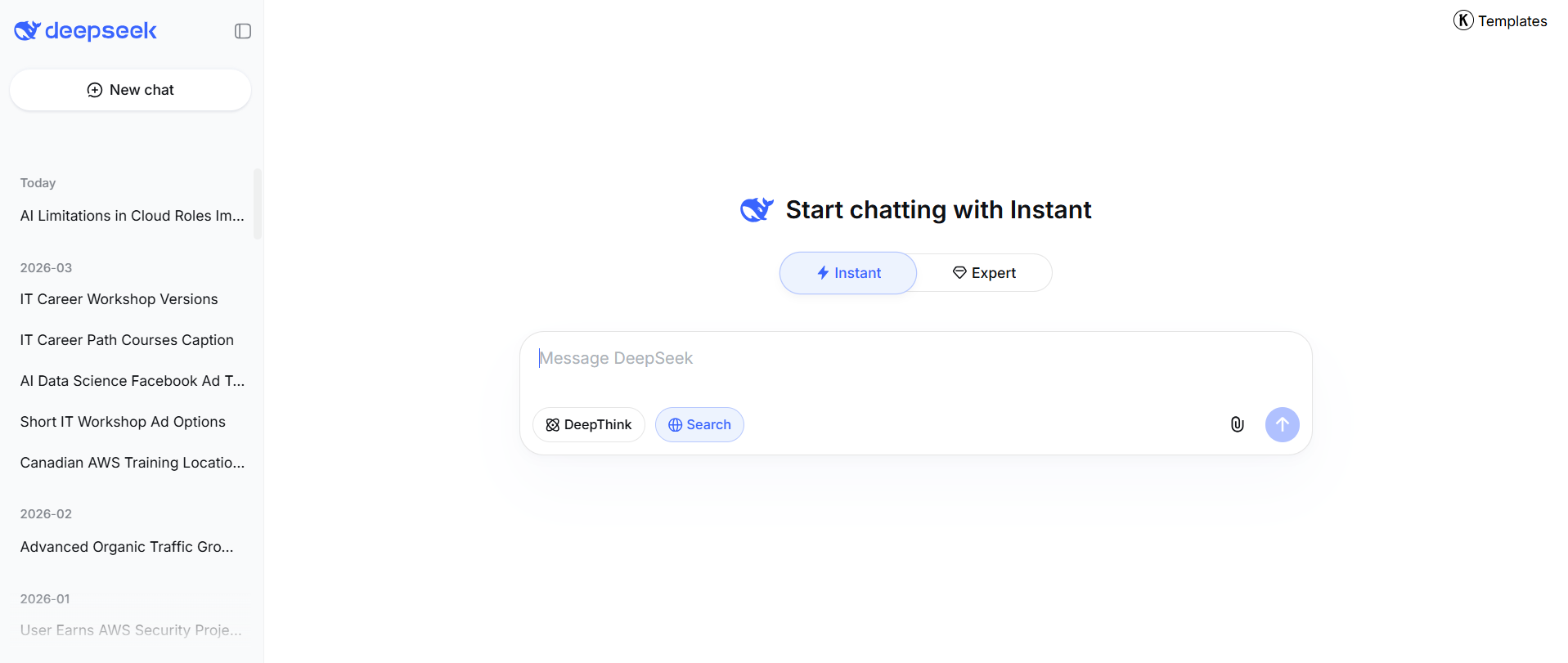
DeepSeek came out of China and shocked everyone in early 2025. Why? It matched or beat top Western AI chatbots – and made it completely free to use.
Why people love it: It’s genuinely capable, and it costs nothing. No login walls, no tight limits on the free tier. For coders especially, DeepSeek’s performance is impressive considering the price.
Top features:
- Strong reasoning and coding ability
- Free chat interface with generous limits
- Extremely cheap API for developers (around 95% cheaper than competitors)
- Handles math and logic problems very well
- Open-source models you can self-host
Pricing: Free to use. API pricing is rock-bottom for developers.
Best for: Students on a budget, developers, and anyone who wants a powerful chatbot without paying.
Honest downside: Basic interface. No voice mode, no image generation, limited fancy features. Some users have concerns about data privacy since servers are in China.
7. Meta AI – The Everyday Chatbot
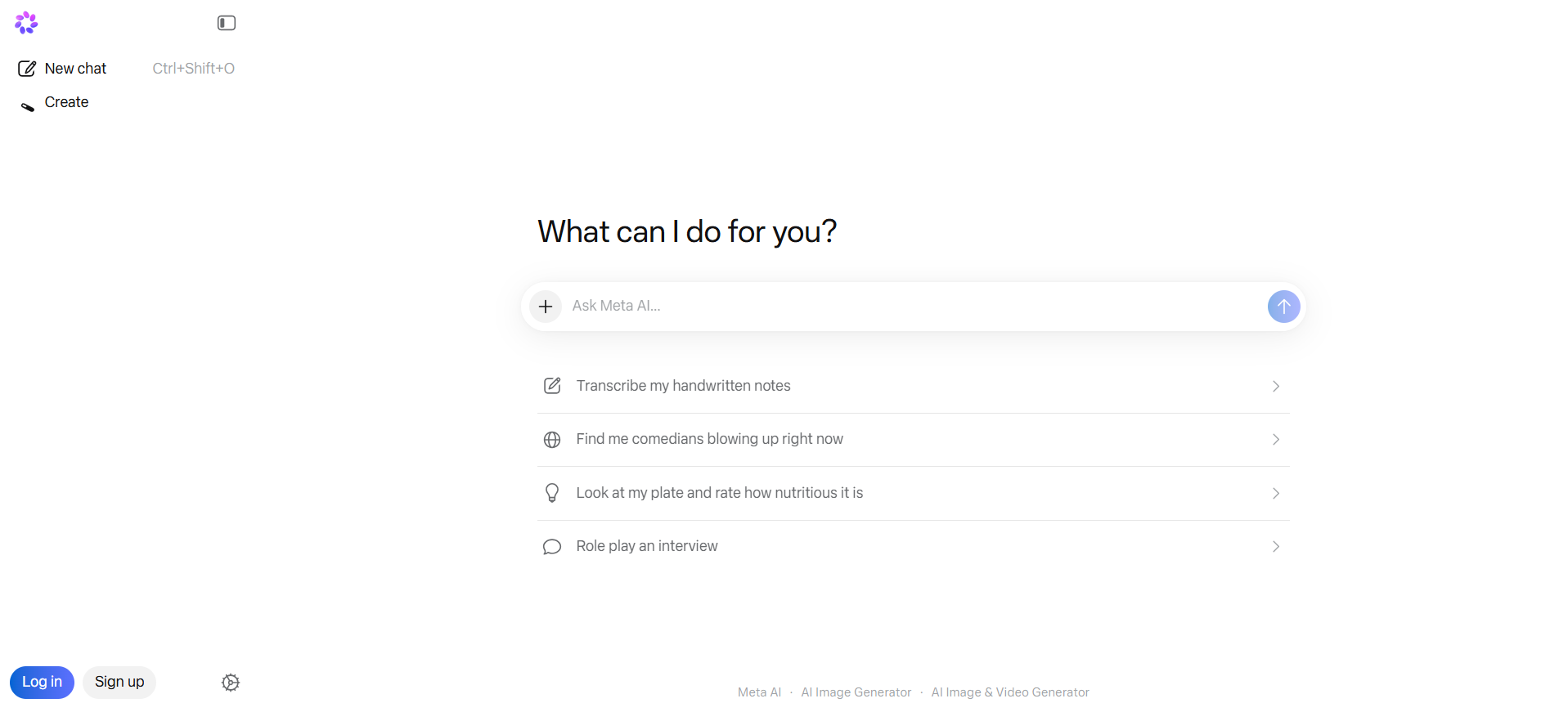
Meta AI is the AI Facebook built, and it’s sitting inside apps you already use – WhatsApp, Instagram, Messenger. No download needed. No sign-up. It’s just there.
Why people love it: You can literally text an AI in WhatsApp while chatting with friends. Need to settle a debate? Ask Meta AI mid-conversation. It’s casual, fast, and free.
Top features:
- Built into WhatsApp, Instagram, and Messenger
- Powered by Meta’s Llama models
- Image generation included
- Group chat mode – invite Meta AI into a chat with friends
- Completely free with no usage limits visible to most users
Pricing: 100% free.
Best for: Casual users, quick questions, fun image generation, and anyone who doesn’t want another app.
Honest downside: Not as deep or accurate as ChatGPT or Claude. Best for everyday stuff, not serious work.
8. Grok – The Bold One
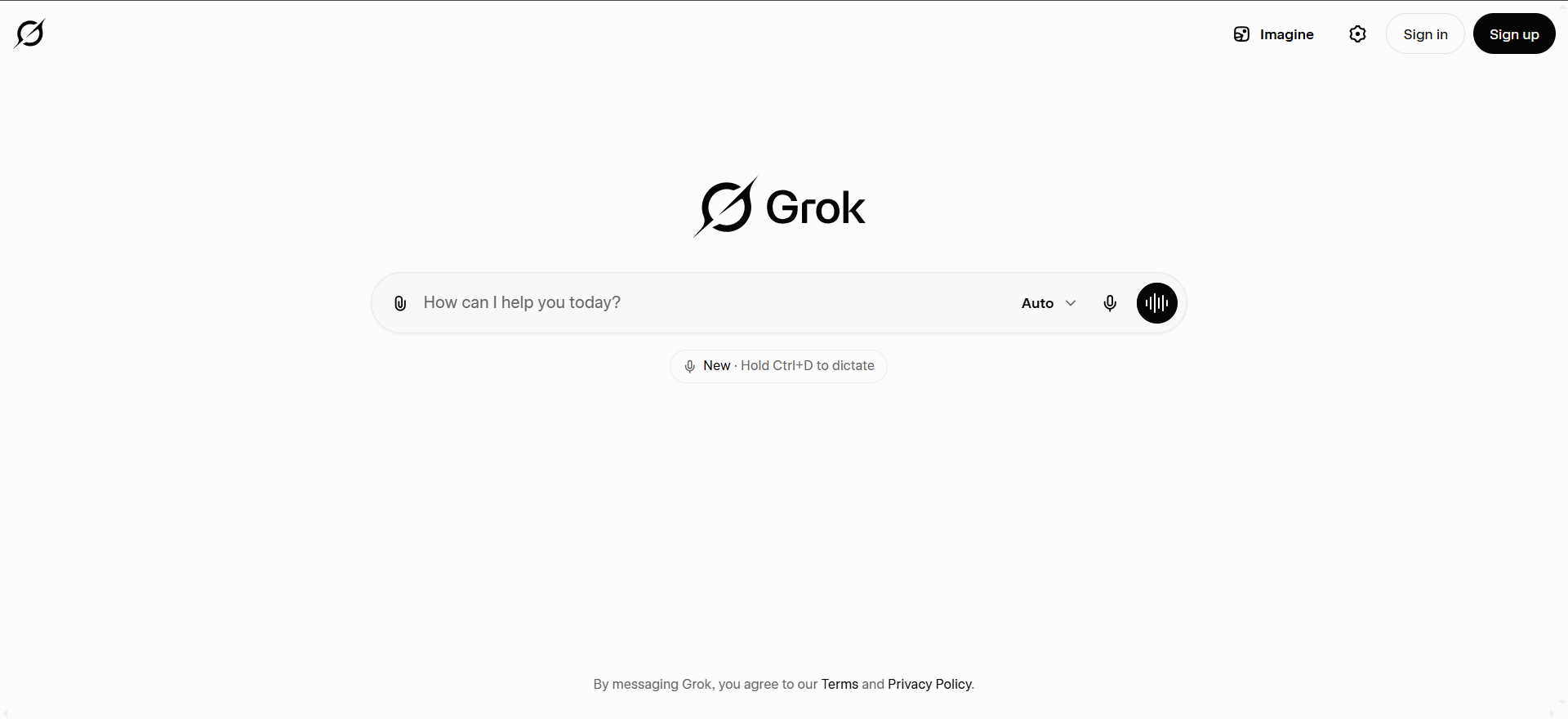
Grok is Elon Musk’s AI, built by xAI. It’s known for having personality – sometimes too much – and for being plugged directly into X (Twitter) for real-time info.
Why people love it: It’s willing to answer questions other AIs dodge. It tells jokes. It has opinions. And if you want to know what people are saying on X right now, Grok has a front-row seat.
Top features:
- Real-time access to X (Twitter) posts
- Less filtered, more direct personality
- Image generation through Imagine feature
- Voice mode with distinct personalities
- Strong on coding benchmarks
Pricing: Limited free tier through X. SuperGrok is about $30/month.
Best for: Users who want an AI with attitude, social media researchers, and X Premium subscribers.
Honest downside: Overpriced compared to alternatives. The real-time X access sometimes surfaces unreliable information. Not the best fit if you want calm, careful answers.
9. Jasper – The Marketing Machine
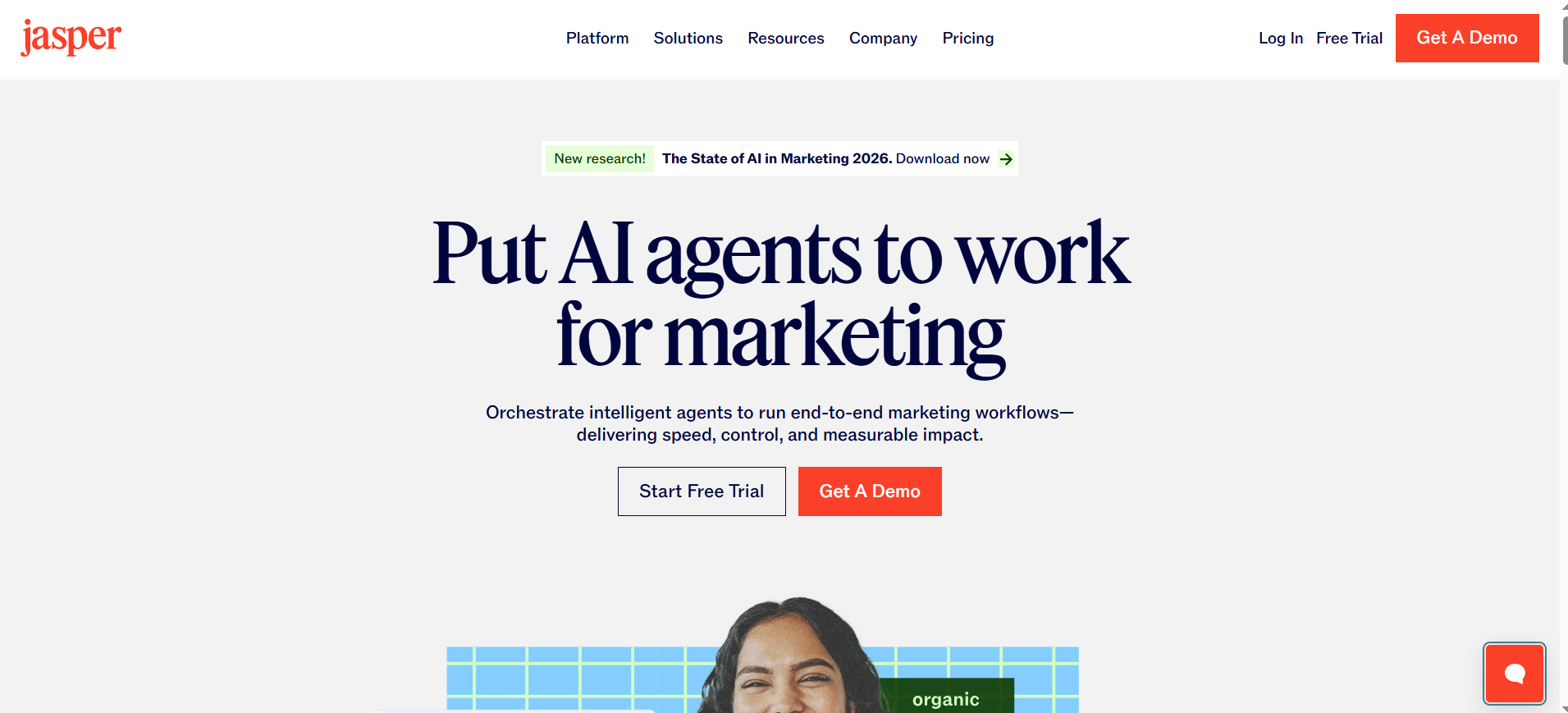
Jasper is AI chatbot software built specifically for marketers, copywriters, and content teams. It’s not trying to be ChatGPT for everyone – it’s trying to be the best tool for one job.
Why people love it: It understands marketing frameworks out of the box. Landing pages, ad copy, email sequences, blog posts – Jasper has templates for all of it. Brand Voice feature keeps your content sounding like you across every platform.
Top features:
- 50+ marketing content templates
- Brand Voice to maintain consistent tone
- SEO mode with Surfer integration
- Campaign workflow for coordinated content
- Team collaboration features
Pricing: No free plan. Creator plan starts at $49/month per user. 7-day free trial available.
Best for: Marketing teams, bloggers who publish often, and AI chatbot tools for business needing consistent brand voice.
Honest downside: Expensive compared to ChatGPT or Claude. For non-marketing tasks, it’s overkill. You can get similar results with ChatGPT for half the price.
10. Mistral Le Chat – The Privacy-First European
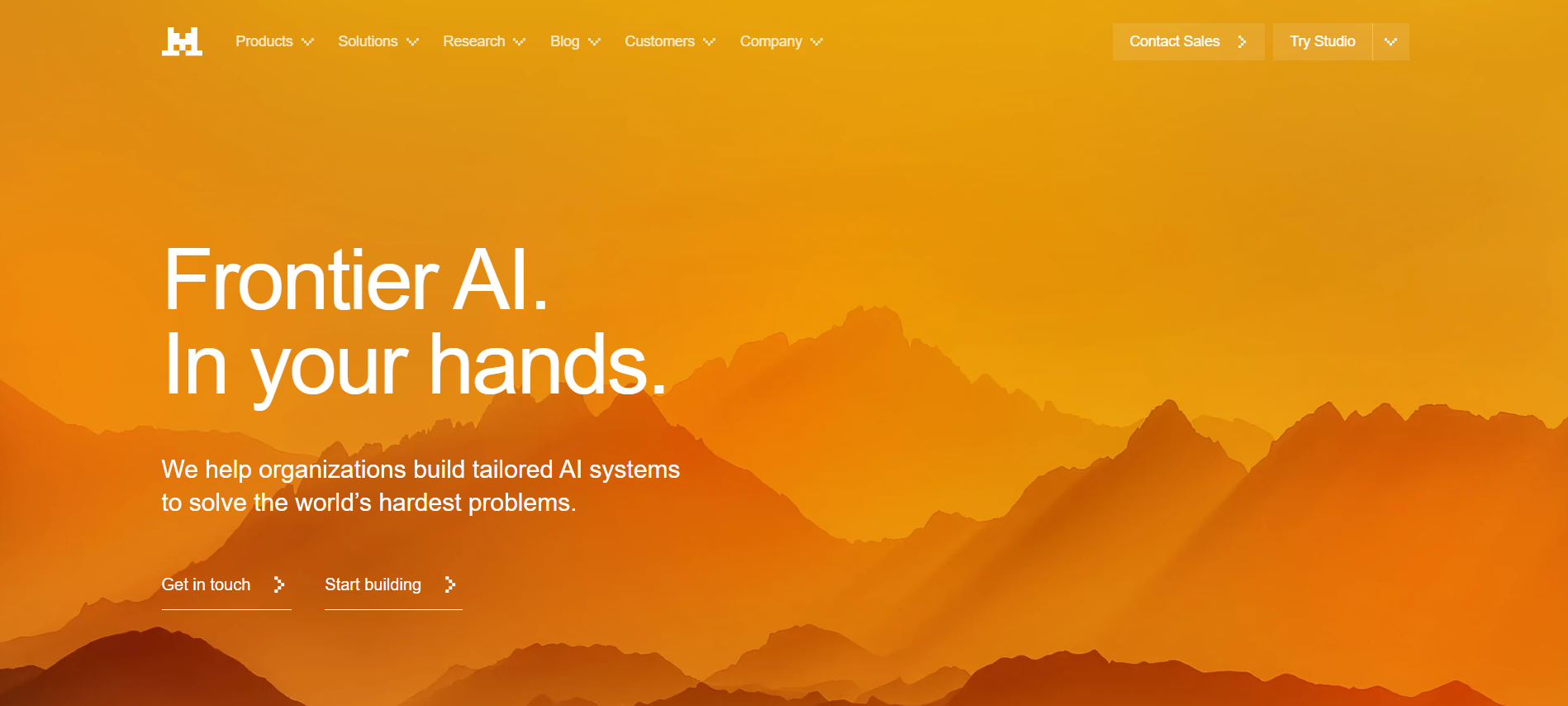
Mistral is a French AI company, and Le Chat is their chatbot. It’s fast, free for the basics, and follows strict European data privacy rules (GDPR).
Why people love it: Speed is its superpower. Le Chat generates responses faster than almost any other chatbot. And for Europeans worried about where their data goes, Mistral keeps everything compliant with EU law.
Top features:
- Lightning-fast responses
- GDPR-compliant, EU-based servers
- Free plan with generous usage
- Canvas mode for document editing
- Good at multiple languages, especially French
Pricing: Free tier. Pro plan is around $15/month.
Best for: European users, privacy-conscious people, and anyone who values speed.
Honest downside: Smaller feature set than ChatGPT or Gemini. English writing is good but not as polished as Claude.
Which AI Chatbot Should You Actually Choose?
Here’s the thing – there’s no single “best” chatbot. There’s a best one for you.
Here’s a quick guide to cut through the confusion:
- If you’re a student writing essays and research papers: Start with Claude for writing quality and Perplexity for research with sources. Both have free tiers.
- If you need an AI chatbot for everyday questions and fun: ChatGPT or Meta AI. Meta AI wins for convenience, ChatGPT wins for depth.
- If you work in Google Docs and Gmail: Gemini, hands down. The integration is unbeatable.
- If you live in Microsoft Office: Copilot. Same reason.
- If you’re a developer or coder: Claude or DeepSeek. Both handle code beautifully, and DeepSeek is free.
- If you’re a marketer or content creator: Jasper if budget allows, otherwise ChatGPT with custom prompts.
- If you want the best AI chatbot app on your phone: ChatGPT and Claude both have polished mobile apps. Meta AI wins if you want it inside apps you already use.
- If you’re running a business and need AI chatbot tools for business use: For small teams, Claude Pro or ChatGPT Team. For larger companies, Microsoft Copilot or Gemini for Workspace give you enterprise security and admin controls.
- If you want free ChatGPT alternatives: DeepSeek, Meta AI, and Mistral Le Chat are the strongest free options in 2026.
Final Thoughts
The AI chatbot tools space in 2026 isn’t a winner-takes-all game anymore. ChatGPT may still dominate the numbers, but Claude, Gemini, Perplexity, and others have each carved out spaces where they genuinely do things better.
My honest advice? Don’t pick one and commit forever. Use the free tiers of two or three tools that fit your life, and switch between them based on the task. Claude for writing, Perplexity for research, ChatGPT for everything else – that’s the combo most heavy users land on.
And whatever you choose, remember: AI is a tool, not a replacement for your own thinking. The people who will get the most out of these tools aren’t the ones who let AI do the work for them. They’re the ones who use AI to think faster, learn deeper, and do more of what actually matters.
Try one today. You’ll be surprised how quickly it becomes part of your day.