
In today’s IT industry, DevOps skills are no longer optional; they are essential. Companies want professionals who can automate tasks, manage infrastructure efficiently, and deploy applications faster. This is why DevOps certifications have become so valuable.
Among all options, Ansible certification stands out as one of the most practical and beginner-friendly DevOps certifications. However, many learners often get confused between Ansible certification vs other DevOps certifications like AWS, Docker, Kubernetes, or Jenkins.
In this blog we are going to look at Ansible certification and other DevOps certifications. We want to help you figure out which one is the fit for what you want to do with your career. We will compare Ansible certification with DevOps certifications so you can pick the right one for your career goals.
What Is Ansible Certification?
The Ansible certification, which is offered by Red Hat, shows that you are really good at automation and managing computer systems. Ansible is a tool that helps you automate things without needing to install software on the computers you want to manage.
It uses something called YAML to create plans, called playbooks, which are easy to understand and use, especially when you compare Ansible to other DevOps tools. The Ansible certification is all about Ansible. It helps you learn how to use Ansible to manage and automate computer systems.
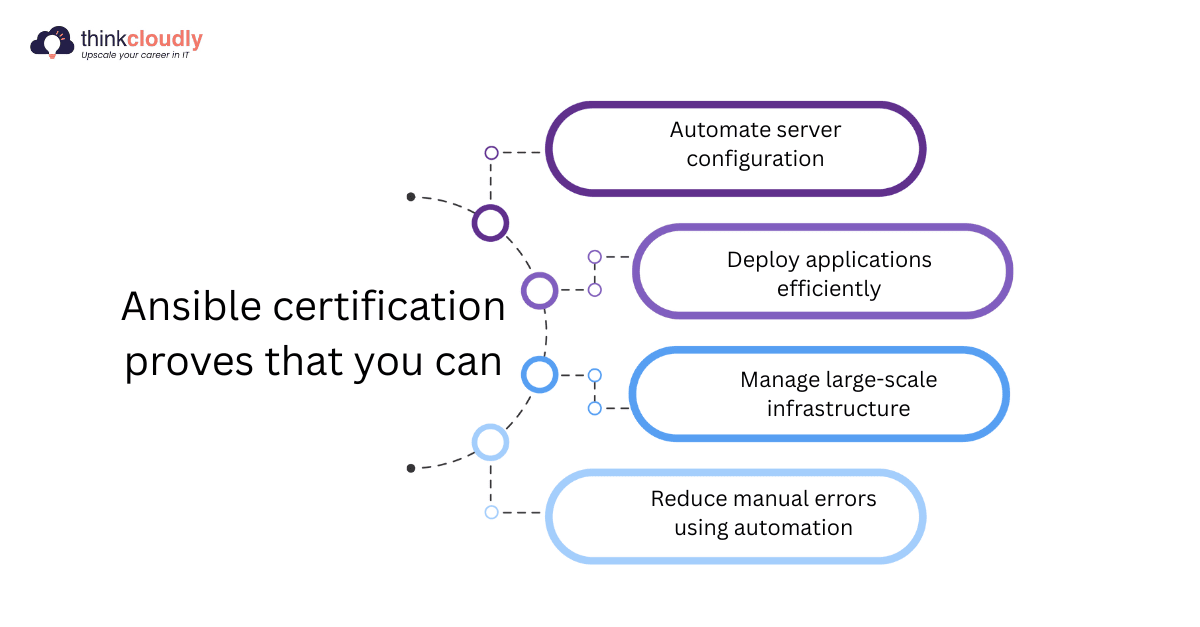
An Ansible certification proves that you can:
This certification is especially suitable for beginners, system administrators, and DevOps engineers.
Some Other Popular DevOps Certifications?
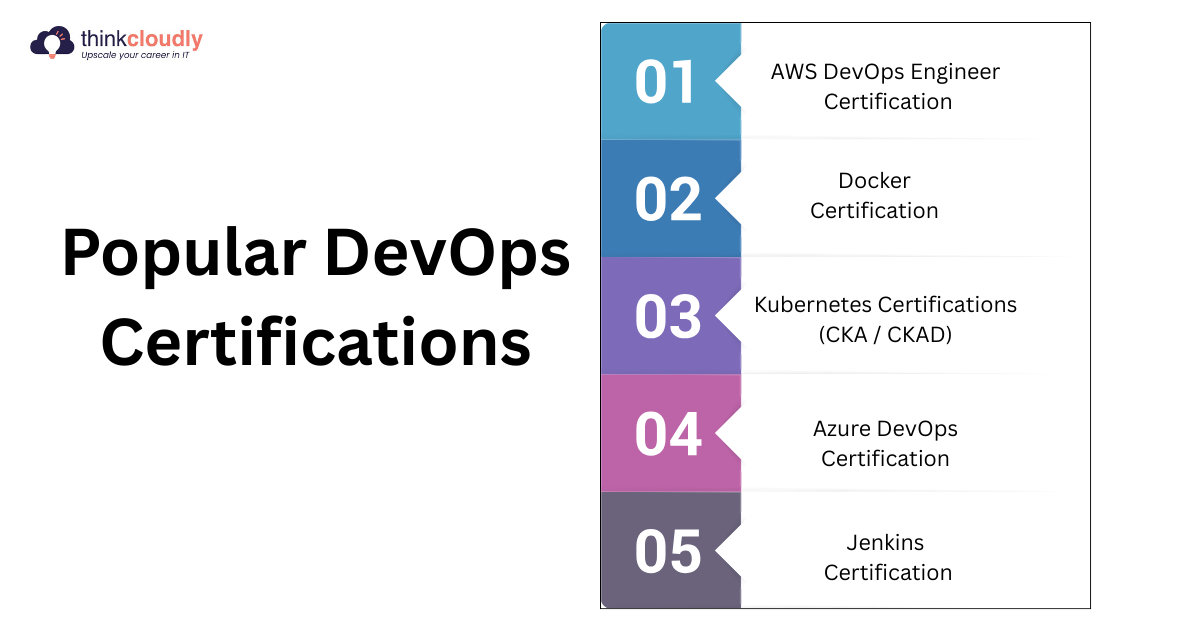
Apart from Ansible certification, there are several other DevOps certifications available in the market, such as
AWS DevOps Engineer Certification:
The AWS DevOps Engineer Certification is really about the Amazon Web Services cloud services and how to automate things. The AWS DevOps Engineer Certification helps people learn about the Amazon Web Services cloud services. This certification is very important for people who want to work with the AWS cloud services and automation. The main thing the AWS DevOps Engineer Certification focuses on is the AWS cloud services and automation.
Docker Certification:
Docker Certification is about using containers to make things work together. It is a way to learn how Docker does containerization. The Docker Certification is really good for people who want to know more about containerization and how Docker helps with that.
Kubernetes Certifications (CKA / CKAD):
Kubernetes Certifications, like the Certified Kubernetes Administrator and the Certified Kubernetes Application Developer, are all about Kubernetes and how to manage lots of containers with Kubernetes. This is what people mean by container orchestration with Kubernetes.
Azure DevOps Certification:
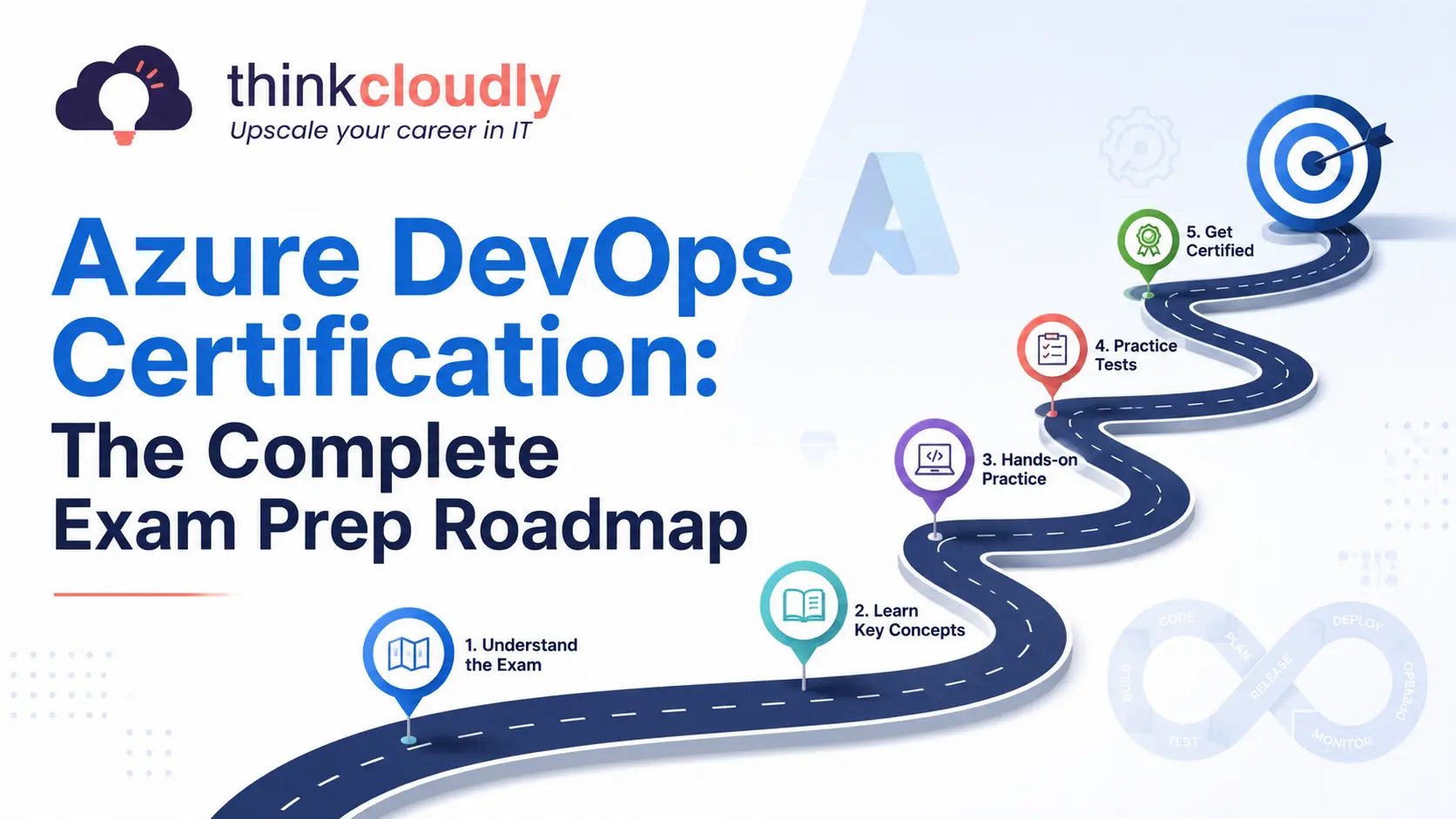
The Azure DevOps Certification is about the Microsoft cloud and the tools they use for DevOps. This certification is really focused on Microsoft cloud and DevOps tools, so you will learn a lot about Microsoft cloud and DevOps tools. The Azure DevOps Certification is a way to learn about Microsoft cloud and DevOps tools.
Jenkins Certification:
Jenkins Certification is about Continuous Integration and Continuous Deployment pipelines, which is what Jenkins Certification is really focused on, and that is CI/CD pipelines. Jenkins Certification validates your ability to design, build, and manage CI/CD pipelines using Jenkins, which is one of the most popular automation tools in DevOps.
Each certification looks at a part of the DevOps ecosystem. The DevOps ecosystem is what these certifications are about.
Ansible Certification vs Other DevOps Certifications
DevOps certifications cover a wide range of tools and technologies, from automation and configuration management to CI/CD and cloud services. Ansible Certification primarily focuses on automating IT operations, while other DevOps certifications specialize in different areas of the DevOps lifecycle. Knowing these distinctions is important for selecting the right certification. This comparison will help clarify where Ansible fits and how it differs from other DevOps certifications.
Skill Focus Comparison
- Ansible: Ansible certification mainly focuses on automation and configuration management. It helps you automate repetitive tasks such as software installation, setup, and application deployment using YAML playbooks. It ensures reducing manual errors and maintaining reliable infrastructure across environments.
- DevOps: DevOps certification is basically a set of tools and practices that cover the entire DevOps lifecycle. The main aim of using these certifications is to build end-to-end delivery and deployment capabilities. They include cloud infrastructure management using AWS, or Azure, container orchestration using Kubernetes, containerization with Docker, and the creation of CI/CD pipelines with tools such as Jenkins.
If your goal is automation, Ansible certification is the best choice.
Learning Curve
- Ansible: Ansible has a relatively low learning curve, which means it is easy to learn, and you don’t need deep programming or complex concepts at the beginning. A basic understanding of YAML syntax and Linux systems is sufficient to start working with Ansible. It is good to start with if you are a fresher, system administrator, or professional transitioning into an automation role.
- DevOps: DevOps certification usually has a steeper learning curve; it requires more time, effort, and background knowledge at the beginning because it involves multiple platforms and complex tools and technologies such as Kubernetes, AWS DevOps, or Docker and Jenkins.
This makes Ansible certification ideal for freshers and career switchers.
Cost and Exam Format
- Ansible: The Ansible certification exam is performance-based, meaning candidates must solve real automation tasks instead of answering only theoretical questions. This certification emphasizes practical skills and real-world problem solving rather that theoretical knowledge alone.
- DevOps: On the other hand, DevOps certifications rely on multiple-choice and scenario-based questions. These exams often test tool knowledge, theoretical understanding, and cloud service pricing models rather than direct hands-on implementation.
In terms of value, Ansible certification gives strong hands-on experience.
Job Roles and Career Impact
- Ansible: Professionals with Ansible certification are well-suited for automation-focused roles such as Automation Engineer, Linux System Administrator, DevOps Engineer, and Infrastructure Engineer.
- DevOps: DevOps certifications open doors to roles such as CI/CD Engineer, Kubernetes Administrator, and Cloud Engineer. These roles typically require managing cloud environments and continuous delivery pipelines.
If you want a strong automation-focused role, Ansible certification is highly valuable
|
Certification |
Primary Focus |
Key Skills Covered |
Best For |
Tool Type |
|
Ansible Certification |
Automation & Configuration Management |
Playbooks, YAML, inventory, modules, automation of servers and applications |
System admins, DevOps engineers focusing on automation |
Configuration management & automation |
|
Jenkins Certification |
CI/CD Pipelines |
Build automation, testing, deployment pipelines, Jenkinsfiles |
CI/CD engineers, DevOps engineers |
CI/CD automation |
|
Docker Certification |
Containerization |
Containers, images, Dockerfiles, container networking |
Developers, DevOps engineers |
Container platform |
|
Kubernetes Certification (CKA/CKAD) |
Container Orchestration |
Pods, services, deployments, scaling, cluster management |
Cloud & DevOps engineers |
Container orchestration |
|
Azure DevOps Certification |
Cloud DevOps Practices |
CI/CD, Azure pipelines, repos, cloud deployment |
Cloud & DevOps engineers |
Cloud DevOps platform |
|
AWS DevOps Certification |
Cloud Automation & DevOps |
Infrastructure as Code, CI/CD, monitoring, AWS services |
Cloud DevOps engineers |
Cloud-based DevOps |
|
Terraform Certification |
Infrastructure as Code (IaC) |
Resource provisioning, state management, multi-cloud infrastructure |
DevOps & Cloud engineers |
IaC tool |
Conclusion
Choosing the right DevOps certification depends on your current skill level, career goals, and the technologies you want to work with. Among all DevOps certifications, Ansible Certification stands out as an excellent starting point, especially for beginners and freshers. It focuses on automation and configuration management, helping you build a strong foundation in DevOps without a steep learning curve. If you are new to DevOps, want to learn automation from scratch, and prefer hands-on, practical learning, Ansible certification is the best choice.