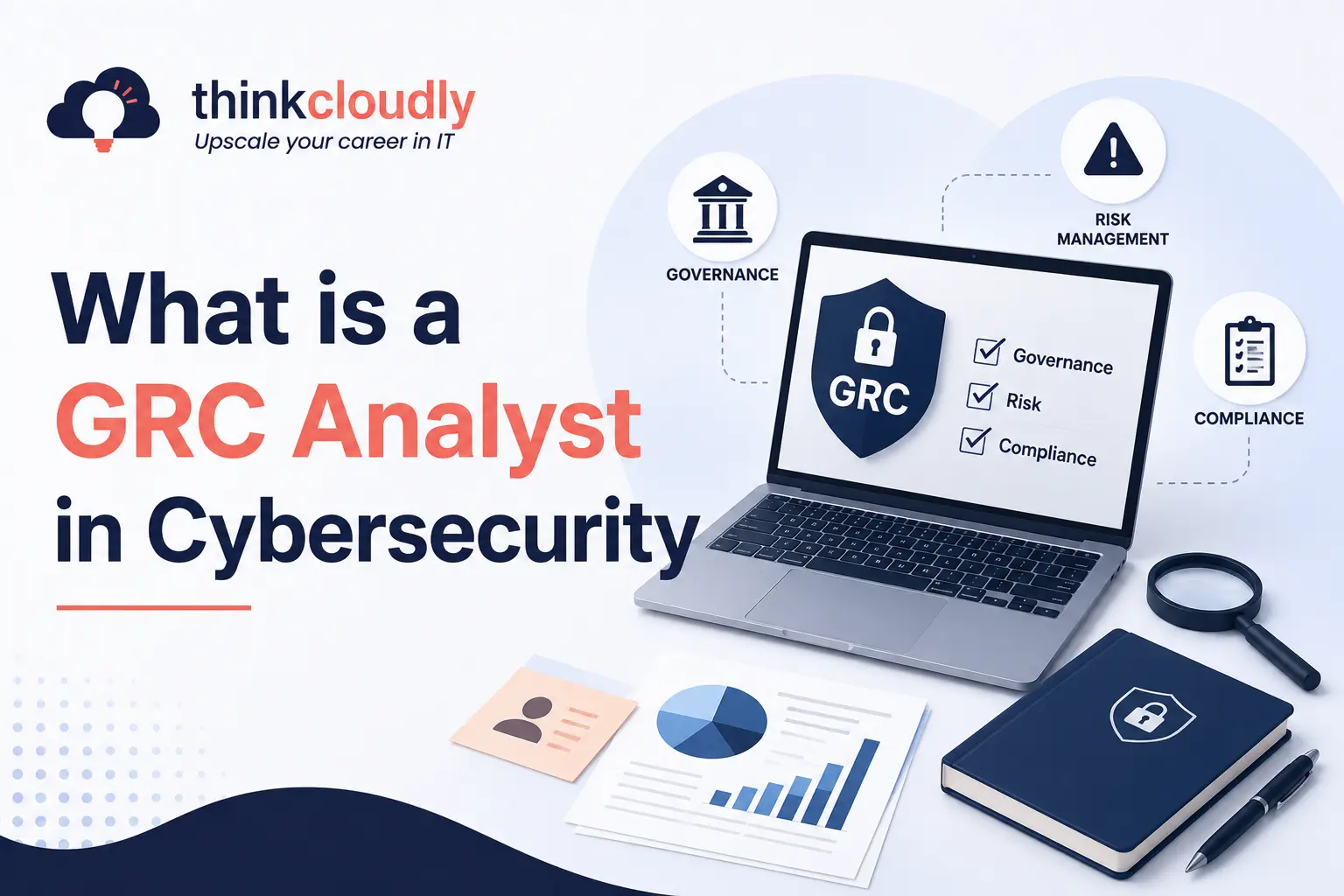
COBIT is one of the most widely used frameworks for IT governance, helping organizations ensure that technology supports business goals while managing risk effectively. In interviews, questions around COBIT governance objectives test how well you understand the connection between IT governance, value delivery, risk optimization, and control oversight. This blog is designed to help you prepare confidently, whether you are interviewing for GRC, IT governance, audit, or risk management roles. Each question is written in a practical, interview-friendly way, followed by clear and simple answers.
The focus is not just on definitions, but on how COBIT governance objectives are applied in real-world scenarios. If you are preparing for interviews, this guide will help you explain concepts clearly and professionally. The content is globally applicable and aligned with common expectations across industries.
COBIT Interview Questions and Answers on Governance Objectives
COBIT is a framework that helps organizations manage and govern their IT systems effectively. It is important for IT governance because it aligns IT goals with business objectives, improves control processes, and ensures better decision-making.
1. What is COBIT and why is it important for IT governance?
Answer: COBIT is a comprehensive framework designed to help organizations govern and manage enterprise IT effectively. It provides a structured approach to aligning IT objectives with business goals while ensuring risk optimization and strong control oversight.
From an IT governance perspective, COBIT is important because it bridges the gap between technical operations and business strategy. It helps leadership ensure that IT investments deliver value, risks are managed appropriately, and compliance requirements are met without over-controlling the organization.
2. What are governance objectives in COBIT?
Answer: Governance objectives in COBIT define what an organization aims to achieve through effective IT governance. These objectives focus on ensuring value delivery from IT, optimizing risk, and using resources responsibly.
They guide the governing body in evaluating stakeholder needs, setting strategic direction, and monitoring performance. Governance objectives ensure that IT supports enterprise goals while maintaining accountability and transparency.
3. How do COBIT governance objectives support business goals?
Answer: COBIT governance objectives ensure that IT initiatives are directly aligned with business priorities. By clearly defining expected outcomes, organizations can evaluate whether IT is enabling growth, efficiency, and resilience.
For example, a governance objective related to benefits realization ensures that technology investments actually deliver measurable business value. Another objective focused on risk optimization ensures that risks are understood and managed within acceptable levels.
4. What is the difference between governance and management in COBIT?
Answer: Governance in COBIT is about setting direction and monitoring outcomes, while management focuses on planning, building, running, and monitoring IT processes to achieve those objectives.
Governance responsibilities typically sit with senior leadership or the board. They evaluate stakeholder needs, set governance objectives, and monitor performance. Management teams then execute strategies and processes to meet those objectives.
5. How does COBIT address risk optimization?
Answer: Risk optimization in COBIT is about balancing risk and opportunity rather than eliminating risk entirely. Governance objectives related to risk ensure that IT-related risks are identified, assessed, and managed in line with enterprise risk appetite.
COBIT integrates risk management into governance by requiring leadership to oversee risk exposure and ensure appropriate controls are in place. This includes cybersecurity risks, compliance risks, and operational risks.
6. How does control oversight fit into COBIT governance objectives?
Answer: Control oversight is a key part of COBIT governance objectives. It ensures that internal controls are designed, implemented, and monitored effectively to support reliable operations and compliance.
Through governance objectives, leadership ensures that controls are not excessive but are appropriate to the level of risk. This approach helps organizations avoid both control gaps and unnecessary bureaucracy.
7. How does COBIT support compliance and assurance activities?
Answer: COBIT provides a structured framework that supports compliance with various regulations and standards by establishing clear governance objectives and control practices. It helps organizations demonstrate that IT controls are well-designed and operating effectively.
By aligning governance objectives with compliance needs, organizations can reduce audit findings and improve audit readiness. COBIT also supports assurance by providing common language for auditors, management, and stakeholders.
8. How do governance objectives help with performance measurement?
Answer: COBIT governance objectives are closely tied to performance measurement through metrics and monitoring mechanisms. They ensure that IT performance is evaluated in terms of value delivery, risk exposure, and resource utilization.
This allows leadership to assess whether IT is meeting expectations and where improvements are needed. Performance data also supports informed decision-making and continuous improvement.
9. How does COBIT align with other control frameworks?
Answer: COBIT is designed to work alongside other frameworks such as ISO standards, security frameworks, and regulatory requirements. Its governance objectives provide a high-level structure that integrates these frameworks under a single governance model.
This alignment helps organizations avoid duplication and conflicting controls. COBIT acts as an umbrella framework that connects IT governance with detailed control and security practices.
10. How would you explain COBIT governance objectives to senior management?
Answer: When explaining COBIT governance objectives to senior management, it is important to focus on outcomes rather than technical details. Governance objectives help ensure that IT investments deliver value, risks are managed responsibly, and resources are used efficiently.
Using business language and real examples makes the conversation more effective. For instance, linking governance objectives to cost optimization, risk reduction, and performance improvement resonates well with leadership.
Conclusion
COBIT governance objectives play a critical role in effective IT governance by aligning technology initiatives with business goals. They provide a clear structure for value delivery, risk optimization, and control oversight. For interview candidates, understanding these objectives is essential, especially for roles in IT governance, GRC, audit, and risk management. Strong answers focus on outcomes, decision-making, and practical application rather than memorizing definitions.
By mastering COBIT interview questions related to governance objectives, you can confidently explain how IT supports enterprise success. This knowledge not only helps in interviews but also in real-world governance roles where strategic thinking is essential.